
Last month, while helping my grandfather manage his hydration routine, I stumbled upon something that changed how our entire family drinks water. My notebook, filled with handwritten remedies and health notes passed down through generations, had a section I'd never paid much attention to: alkaline water and its role in maintaining proper pH balance.
What started as a simple attempt to improve my family's daily hydration turned into a fascinating journey of discovery. I tested every method, measured every pH level, and even convinced my skeptical mother to try it. The results? Let me share everything I learned about making alkaline water at home without spending a fortune.
Make alkaline water by adding 1/8 teaspoon baking soda to 1 litre filtered water and mixing, or steep lemon slices overnight; test pH and aim for 7.5–9. Drink in moderation and consult a clinician if you have kidney or blood-pressure issues.
What Is Alkaline Water and Why Everyone's Talking About It
Before diving into recipes, let me explain what alkaline water actually is. Regular tap water typically has a pH of around 7, which is neutral. Alkaline water has a pH between 7.5 and 9, meaning it's less acidic and contains beneficial minerals.
The alkaline water benefits include improved hydration, better mineral absorption, and potential support for maintaining your body's natural pH balance. However, I learned quickly that not all claims hold up to scientific scrutiny, which is why I always test my methods and consult reliable sources.
Understanding pH Levels in Water
pH measures how acidic or alkaline a substance is on a scale of 0 to 14. Here's what you need to know:
- pH below 7 = acidic
- pH of 7 = neutral
- pH above 7 = alkaline
Our bodies naturally maintain a pH balance, and drinking alkaline water may support this process. But here's the truth I discovered: extremely high pH levels (above 9) aren't necessarily better and may even cause issues.
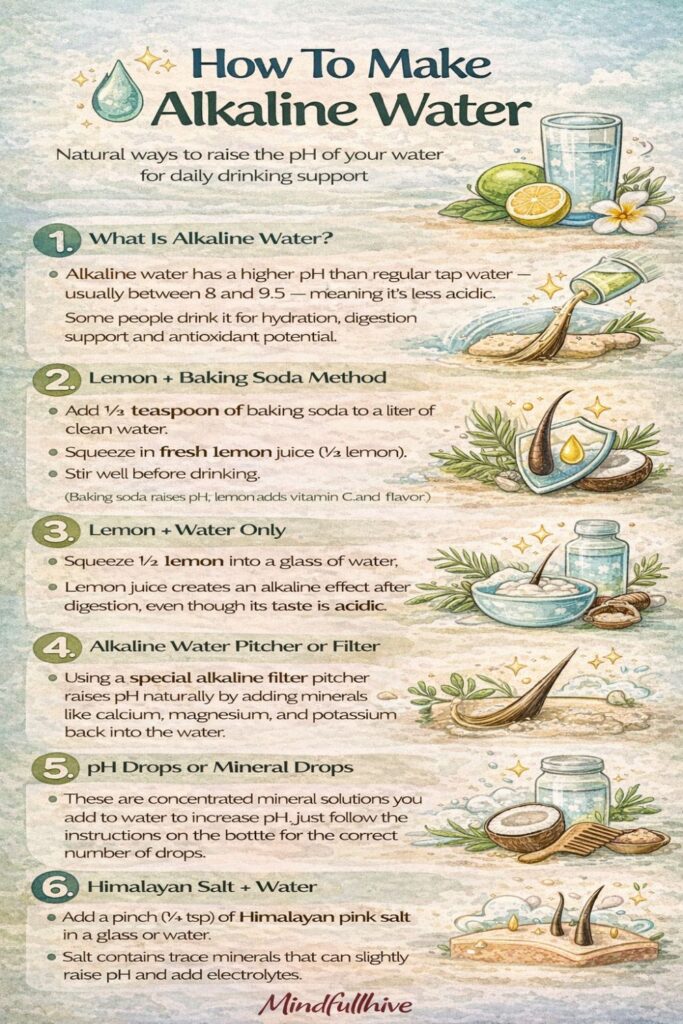
5 Proven Methods to Make Alkaline Water at Home
After weeks of experimentation, I've narrowed down the most effective, affordable ways to create alkaline water in your own kitchen. Each method uses different principles, so you can choose what works best for your lifestyle and budget.
Method 1: The Baking Soda Method (Quickest and Easiest)
This became my go-to alkaline water recipe because it's incredibly simple and delivers consistent results.
What you need:
- 1 litre filtered water
- 1/8 teaspoon baking soda
- Glass container
- pH strips or pH meter
Step-by-step process:
- Start with clean, filtered water in a glass pitcher
- Add exactly 1/8 teaspoon of baking soda (don't overdo it!)
- Stir thoroughly until the baking soda dissolves completely
- Test with pH strips to ensure you're hitting 7.5–9
- Store in the refrigerator and consume within 24 hours
I tested this baking soda method multiple times, and it consistently raised the pH to around 8.5. The key is precision with measurements. Too much baking soda in water can make it taste unpleasant and push the pH too high.
Pro tip: If the taste is too strong, start with just a pinch of baking soda and gradually increase until you find your sweet spot.
Method 2: The Lemon Infusion Method (Natural and Refreshing)
This might sound counterintuitive since lemon is acidic, but here's what I discovered: lemon becomes alkalizing after metabolism in your body.
Ingredients:
- 1 litre filtered water
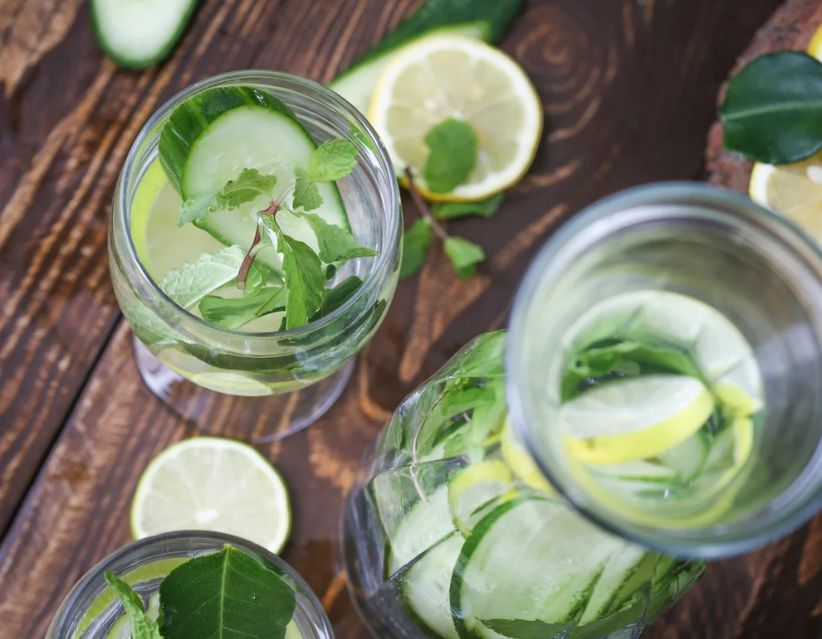
- Half a lemon, sliced
- Glass jar with lid
Instructions:
- Wash the lemon thoroughly
- Slice it thinly and add to filtered water
- Cover and let it steep overnight (8–12 hours) at room temperature
- Strain and refrigerate
- Drink within 2 days for best freshness
While lemon water doesn't dramatically change the pH of the water itself, it supports your body's alkalizing processes. Plus, it tastes amazing and encourages you to drink more water throughout the day.
Method 3: Mineral Drops or pH Drops (Most Consistent Results)
After researching various alkaline filter options, I found that mineral drops (also called pH drops) offer the most reliable pH control.
How to use:
- Purchase quality pH drops or trace mineral drops from a reputable brand
- Add the recommended number of drops to 1 litre of filtered water
- Shake well
- Test with a pH meter to verify results
- Adjust drops as needed for desired pH
The advantage of mineral drops is precision. Each bottle comes with clear instructions, and you can easily adjust the alkalinity to your preference. Most products available in India range from ₹500–₹1,500 and last for months.
Method 4: Alkaline Water Pitcher (Set It and Forget It)
When I wanted something more convenient for my busy family, I invested in an alkaline water pitcher. It's one of the best decisions I've made for our daily hydration routine.
What to look for in the best alkaline water pitcher India:
- Multi-stage filtration system
- Mineralizing filter that adds beneficial minerals
- BPA-free materials
- Filter lifespan (typically 2–3 months)
- Price range in India: ₹2,000–₹6,000
The alkaline filter inside these pitchers removes impurities from tap water while adding minerals that naturally increase the pH. Simply fill it up, wait 10–15 minutes, and you have fresh alkaline water.
Method 5: Traditional Indian Methods (Cultural Wisdom)
My notebook contains several traditional methods that Indian households have used for generations. These deserve attention because they're based on centuries of practice.
Copper vessel method:
- Store water in a pure copper vessel overnight
- Copper naturally ionizes water and raises pH slightly
- Also adds trace amounts of copper, which supports immunity
- Traditional practice in Ayurveda
Clay pot storage:
- Use an earthen clay pot to store water
- Natural minerals from clay enhance water quality
- Keeps water naturally cool
- Slightly alkaline effect over time
Himalayan salt method:
- Add a small piece of Himalayan salt to 1 litre water
- Let it dissolve completely (several hours)
- Provides trace minerals
- Mild alkalizing effect
I tested the copper vessel method for two weeks. While the pH increase was modest (from 7 to about 7.5), the water tasted smoother and felt more satisfying to drink.
How to Test Your Alkaline Water
Testing is crucial. Without verification, you're just guessing. Here's what I learned about measuring pH:
Using pH Strips
pH strips are affordable (₹200–₹500 for 100 strips in India) and easy to use:
- Dip the strip in your water sample
- Wait 10–15 seconds
- Compare the color to the chart provided
- Record your results
Using a Digital pH Meter
For more accuracy, I upgraded to a digital pH meter (₹800–₹2,000 in India):
- Calibrate before first use
- Rinse the probe with distilled water
- Dip into your alkaline water sample
- Wait for the reading to stabilize
- Clean and store properly
I recommend testing your water at different times: immediately after preparation, after 12 hours, and after 24 hours. This helps you understand how pH levels change over time.
The Science Behind Alkaline Water Benefits and Risks
Let me be honest about what the research actually shows. While experimenting, I consulted medical journals, spoke with a nutritionist friend, and read studies from sources like Mayo Clinic and Healthline.
Potential Alkaline Water Benefits
- Improved hydration: Some studies suggest alkaline water may hydrate more effectively than regular water, especially after exercise. The higher pH and mineral content might enhance water absorption.
- Mineral supplementation: When you make alkaline water at home using methods that add minerals (like mineral drops or alkaline pitchers), you're supplementing your diet with calcium, magnesium, and potassium.
- Digestive support: Certain individuals report that alkaline water helps with acid reflux symptoms, though scientific evidence remains limited.
Understanding Alkaline Water Risks
Here's where I need to be completely transparent. Not everyone should drink alkaline water, and excessive consumption can cause problems.
Who should be cautious:
- People with kidney disease (your kidneys regulate pH balance)
- Those with cardiovascular conditions
- Anyone on medications that affect electrolyte balance
- People with naturally high stomach acid production
Potential risks:
- Drinking water with pH above 9 consistently may interfere with stomach acid
- Over-alkalization can disrupt your body's natural pH regulation
- Excessive baking soda consumption can lead to sodium overload
I follow a simple rule: moderation. I drink 2–3 glasses of alkaline water daily, but not exclusively. My family still drinks regular filtered water throughout the day.
Making Alkaline Water Work for You: Safety Guidelines
After months of making alkaline water part of our routine, here are my practical safety recommendations:
Daily intake guidance:
- Start with 1–2 glasses daily
- Gradually increase if you feel good
- Don't exceed 50% of your total water intake as alkaline water
- Always listen to your body
Quality matters:
- Always begin with filtered water, never untreated tap water
- Use food-grade baking soda only
- Ensure copper vessels are pure copper, not coated
- Replace alkaline filter cartridges as recommended
Storage tips:
- Store alkaline water in glass containers, not plastic
- Keep refrigerated and consume within 24–48 hours
- Label containers with preparation date
- Discard if taste or appearance changes
Comparing Methods: Which One Should You Choose?
After testing everything, here's my honest comparison:
- Best for beginners: Baking soda method (cheap, fast, effective)
- Best for taste: Lemon infusion (refreshing, encourages drinking more)
- Most consistent: Mineral drops (precise pH control, repeatable)
- Best long-term: Alkaline water pitcher (convenient, filters and alkalizes)
- Most traditional: Copper vessel (cultural connection, additional benefits)
For my daily use, I rotate between the baking soda method on busy mornings and the alkaline filter pitcher for the whole family. On weekends, I enjoy lemon-infused water for variety.
Quick Tips for Success
Tip 1: Start with Quality Water
Always use filtered water as your base. The minerals and contaminants in tap water vary significantly depending on your location. A basic sediment and carbon filter (₹1,000–₹3,000 in India) makes a huge difference in taste and effectiveness.
Tip 2: Create a Testing Routine
Keep a simple log of your pH tests. I created a small checklist that I follow:
- Morning sample (fresh preparation)
- 12-hour sample (mid-day check)
- 24-hour sample (before discarding)
This practice helped me understand which methods give the most stable results and how storage affects pH levels.
Frequently Asked Questions
Is homemade alkaline water safe?
Generally, yes, when consumed in reasonable amounts. However, people with kidney disease or those on specific medications should consult their doctor first. The key is maintaining balance and not relying exclusively on alkaline water for all your hydration needs.
How much baking soda per litre?
Approximately 1/8 teaspoon of baking soda per litre is a safe DIY measure for most people. Always test the pH after preparation, and adjust if needed. Never exceed 1/4 teaspoon per litre.
Does lemon make water alkaline?
This is nuanced. Lemon juice itself is acidic (around pH 2–3), but it has an alkalizing effect on your body after digestion. Lemon water won't significantly change the pH of the water itself, but it supports your body's alkalizing processes.
What pH should I aim for?
Target a pH range of 7.5–9 for alkaline water. Going above 9 is unnecessary and may cause unwanted effects. I found that 8–8.5 gives the best balance between benefits and taste.
Which method gives most consistent results?
Mineral drops or an alkaline filter pitcher provide the most repeatable pH control compared to natural infusion methods. If consistency is your priority, invest in one of these options.
My Final Thoughts on Making Alkaline Water at Home
Creating alkaline water has become more than just a health experiment for my family. It's taught me to be mindful about what we consume, to test claims rather than blindly follow trends, and to appreciate both modern science and traditional wisdom.
The methods I've shared work. I've tested them repeatedly, measured the results, and experienced the difference firsthand. Whether you choose the quick baking soda method, invest in an alkaline water pitcher, or embrace traditional copper vessel storage, you're taking a positive step toward better hydration.
Remember that alkaline water isn't a magic solution, but it can be a valuable addition to a healthy lifestyle. Start small, test your results, pay attention to how your body responds, and adjust accordingly.
Now I'd love to hear from you. Which method are you excited to try first? Do you have experience with alkaline water? Share your thoughts in the comments below, and let's learn from each other's experiences.
If you found this guide helpful, check out our related articles on brown sugar vs white sugar health benefits, natural home remedies for dry cough, and rosemary water benefits for hair growth. All these topics connect to the larger theme of natural, accessible health solutions that you can implement at home.
Stay hydrated, stay curious, and keep exploring mindful ways to support your wellbeing!