



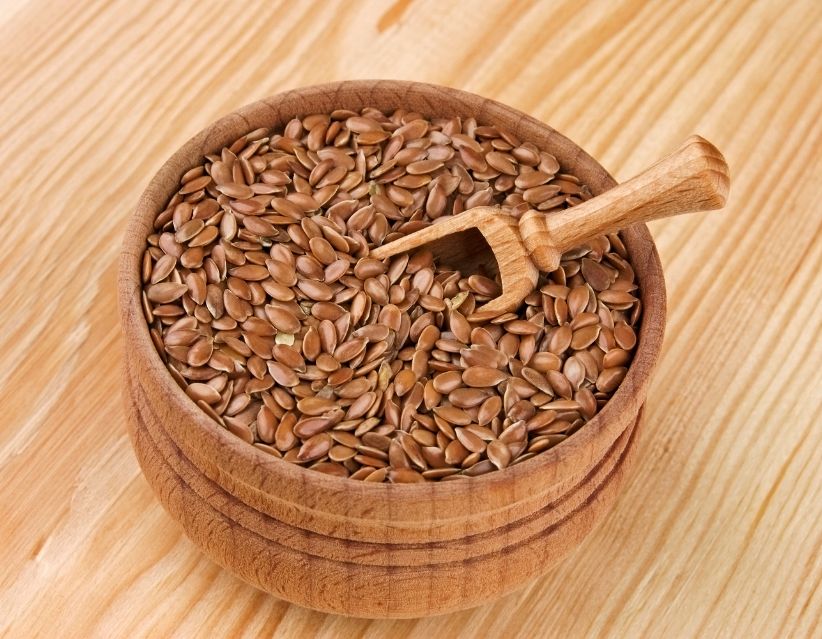
A personal guide from someone who started this journey for all the right reasons. Here is all about how to eat flax seeds.
Why I Started Eating Flax Seeds
So here is the thing. About a year ago, my grandfather was dealing with high blood sugar, and my grandmother had this old notebook, literally falling apart at the spine, filled with home remedies she had collected over decades. One afternoon I was flipping through it and found three separate pages about flax seeds. She had written notes about how to eat them, why they matter, and little tips that you would never find on a random health website.
That notebook sparked something in me. I started researching how to eat flax seeds properly, and I was surprised by how much confusion exists around this one tiny seed. People say eat them whole, others say grind them. Some say soak them, some say just throw them in a smoothie. I wanted to figure out which advice actually holds up, so I tested it myself over several weeks.
This blog is me sharing everything I learned. If you are a vegetarian like my family, you will love this because flax seeds are one of the best plant-based sources of omega-3 fats out there. No eggs, no meat, just a small golden seed doing big things for your body.
Flaxseed Benefits You Should Actually Know About
Before we get into how to eat flax seeds, let me tell you why it is worth caring about. Flaxseed benefits are not just marketing hype. They are backed by real science, and for vegetarians especially, this seed fills a gap that is hard to fill otherwise.

Rich in Omega-3 Fatty Acids
One tablespoon of ground flaxseed contains about 1.6 grams of alpha-linolenic acid (ALA), which is a type of omega-3 fat. For vegetarians who skip fish, this is genuinely one of the best alternatives. Omega-3 fats support heart health, reduce inflammation, and help your brain function better. I noticed a difference in how I felt within two weeks of adding it to my mornings.
A Fiber Powerhouse for Digestion
Flax seeds are loaded with both soluble and insoluble fiber. This means they help with digestion in two ways. Soluble fiber feeds the good bacteria in your gut, while insoluble fiber keeps things moving smoothly. After I started eating flax seeds daily, my digestion improved noticeably. If you struggle with bloating or irregular bowel movements, this seed is worth trying.
Supports Heart Health and Blood Sugar
Research suggests that regular flaxseed consumption can help lower cholesterol and support healthy blood sugar levels. Given that my grandfather was dealing with diabetes, this was the part that made me pay the closest attention. The lignans and fiber in flax seeds help your body manage sugar more steadily, which is a big deal for anyone watching their glucose levels.
A Source of Plant Protein
At around 5 grams of protein per tablespoon, flax seeds contribute meaningfully to a vegetarian diet. They are not a replacement for a full protein source, but paired with dal, paneer, or nuts, they round out your nutrition nicely.
Ground vs Whole: Why Grinding Flax Seeds Matters
This is probably the most important thing I learned during my whole experiment. If you eat whole flax seeds, a lot of the nutrients just pass through your body undigested. Your digestive system cannot break through that hard outer shell on its own.
When you grind flax seeds into flaxseed powder, the nutrients become much easier for your body to absorb. That includes the omega-3 fats, fiber, and protein. I started grinding my seeds at home using a simple blender, and the difference in how I felt was clear.
How to Grind at Home
You do not need anything fancy. A regular blender or a dry mixer works perfectly. Dry roast the seeds for about two minutes in a pan first, let them cool, then grind. Store your ground flaxseed in the fridge because the oils can go rancid if left at room temperature for too long.
The Best Way to Eat Flax Seeds Daily
Okay, this is the part you actually came here for. Here are the ways I personally tried to add how to eat flax seeds into my daily routine. Some became staples, some I tweaked, and all of them are simple enough to do without extra effort.
1. Mix Into Your Morning Smoothie
This is the easiest one and honestly the most popular best way to consume flaxseed. Just toss one tablespoon of ground flaxseed into your smoothie with banana, some milk of your choice, and a handful of spinach. You literally cannot taste it. It adds a tiny bit of thickness but nothing weird. I do this almost every single morning now.
2. Stir Into Yogurt or Porridge
If you eat oatmeal or yogurt in the morning, sprinkle one to two tablespoons of ground flaxseed right on top or mix it in. It blends in so naturally that you barely notice it. I started doing this on days when I did not feel like making a smoothie, and it became just as habit-forming.
3. Drink Flaxseed Water
This one comes straight from that old notebook. Soak one tablespoon of whole flax seeds in a cup of warm water overnight. By morning, the water turns slightly thick and gel-like. Drink it first thing on an empty stomach. Flaxseed water is amazing for digestion and keeps you feeling full for hours. It took me about a week to get used to the texture, but now I genuinely enjoy it.
Why Flaxseed Water Works So Well
When flax seeds soak, they release a mucilage that coats your digestive tract gently. This helps with digestion and fiber absorption and also gives you a mild hydrating effect. It is one of the simplest things you can do for your gut health.
4. Sprinkle On Salads and Rice
Do not overthink it. Just sprinkle in a spoonful of ground flax seeds onto your rice, dal, or salad before you eat. It adds a subtle nutty flavor and a tiny crunch if you use whole seeds. This is the sneakiest way to boost your flaxseed nutrition without changing your meal at all.
5. Add to Roti or Chapati Dough
This is where it gets fun for an Indian household. Mix two tablespoons of flaxseed powder into your regular roti dough when you are kneading it. The rotis come out slightly darker, a little softer, and taste just as good. Nobody in my family even noticed the change until I pointed it out.
6. Use as an Egg Substitute in Baking
Since my family is vegetarian, this tip is a lifesaver. Mix one tablespoon of ground flaxseed with three tablespoons of water and let it sit for five minutes. It turns into a gel that works just like an egg substitute in cakes, cookies, or muffins. It binds everything together without any animal products involved.
Flax Seed Recipes India: Easy and Delicious
Indian kitchens are actually perfect for flax seed recipes. We already use so many seeds and spices that flax fits right in. Here are some ideas I tried at home that turned out really well.
Flaxseed Podi (Spice Powder)
Dry roast flax seeds with some sesame seeds, a pinch of salt, and dried red chili. Grind it all into a coarse powder. Eat it with idli, dosa, or even just with rice and ghee. This is hands down my favorite flaxseed recipe. It is simple, it stores well, and it packs serious nutrition.
Flaxseed Laddoos
Mix ground flaxseed with roasted oats, jaggery, and a little ghee. Bind it all together and roll into small balls. These are a great after-lunch snack and they satisfy that sweet craving without any guilt. I make a batch every weekend and they last through the week.
A Note on Ayurvedic Use
In Ayurvedic tradition, flax seeds have been used for centuries to support gut health and reduce inflammation. The practice of soaking seeds in warm water before drinking is rooted in this system. It is not just a trend; it is something that has been passed down through generations in Indian households, including mine.
How Much Flaxseed Should You Eat? Dosage and Safety Tips
More is not always better with flax seeds. Here is what you need to know about dosage and when to be careful.
The Right Amount to Start With
Start with just 1 tablespoon a day. After a week or two, if your body is handling it well, you can move up to 1 to 2 tablespoons daily. Going beyond 3 tablespoons in a single day is not recommended for most people, especially if you are new to high-fiber foods. I started small and worked my way up, and that made all the difference in avoiding any stomach issues.
Daily Intake Snapshot
| Stage | Amount Per Day |
| Week 1 (Beginner) | 1 tablespoon |
| Week 2 and Beyond | 1 to 2 tablespoons |
| Maximum (Not Recommended Daily | 3 tablespoons |
Side Effects and Precautions to Keep in Mind
Flax seeds are safe for most people, but there are a few things to watch out for. The biggest one is fiber overload. If you suddenly add too much fiber without drinking enough water, you might get bloating, gas, or stomach discomfort. I learned this the hard way in my first week. Now I make sure to drink at least one extra glass of water every day.
Also, if you are on blood-thinning medication or have a history of certain hormone-sensitive conditions, it is a good idea to talk to your doctor before making flaxseed a daily habit. Pregnant or breastfeeding women should also check with a health professional first.
Frequently Asked Questions About Flax Seeds
Do I have to grind flax seeds before eating?
Yes, and this is not optional if you want the benefits. Ground flaxseed lets your body actually absorb the omega-3 fats, fiber, and protein. Whole seeds pass through mostly undigested. Grind them at home or buy pre-ground from the store.
How much should I eat each day?
Start with 1 tablespoon daily for the first week. Once your body adjusts, you can comfortably move to 1 to 2 tablespoons. This is the sweet spot for most people and covers your omega-3 and fiber needs without overdoing it.
Can I eat flaxseed water on an empty stomach?
Absolutely. In fact, that is the best time to drink it. Soak flax seeds in warm water overnight and have it first thing in the morning. It supports digestion and keeps you feeling full until your next meal. This is one of my morning routines I will never give up.
Is flaxseed oil just as good?
Flaxseed oil gives you omega-3 fats, but it does not have the fiber that whole or ground seeds do. For the full package of flaxseed benefits, stick with ground seeds. You can use the oil for cooking or dressing, but do not rely on it alone.
Any side effects I should worry about?
Too much fiber without enough water can cause bloating and discomfort. Start slow, drink water, and give your body time to adjust. For most people, side effects disappear within a couple of weeks once your system gets used to it.
Quick Tips to Remember
- Store ground flaxseed in the fridge. The oils in ground seeds go bad quickly at room temperature. Keeping them cold keeps them fresh for up to two weeks.
- Introduce flaxseed slowly. If you are not used to high-fiber foods, adding too much too fast will make your stomach rebel. Give yourself at least a week to build up.
The Bottom Line
Learning how to eat flax seeds properly changed my mornings, and honestly my whole approach to eating. It is one of those small changes that adds up over time. Ground them, add them to your smoothie, stir them into yogurt, soak them for morning flaxseed water, or mix them into your roti dough. There is no single right way, and that is the beauty of it.
Whether you are trying to boost your omega-3 intake, improve your digestion, or just add more nutrition to a vegetarian diet, ground flaxseed is one of the simplest things you can do. Start with one tablespoon, be patient, and let your body tell you how it feels.
If my family's story with home remedies and healthy food inspired you even a little, I hope this blog does the same. Start small, stay consistent, and trust the process.











Hello, I want to soak the whole flaxseeds in water overnight. Am i able to eat the flaxseeds themselves or just drink the water? Thank you. Anne
Thank you for a load of useful information, brilliant