
I still remember the old, worn-out diary sitting on the shelf in our kitchen. My grandmother had filled it over decades with handwritten notes about home remedies, seasonal fruits, and natural foods she swore by — especially for managing my grandfather's diabetes. One page that always caught my eye was dedicated entirely to black grapes. She had circled the word "resveratrol" in blue ink — a word she had copied from a magazine — and written next to it: "Ask doctor. Very important for sugar patients."
That small moment of curiosity stuck with me. So I did what any curious person would do today — I researched everything I could find about the benefits of eating black grapes, from their black grapes nutrition profile to how they affect your skin, heart, and digestion. And honestly? The science is impressive.
If you have been ignoring black grapes at the fruit stall, this is your sign to pick up a bunch.
What Makes Black Grapes So Special? A Quick Answer
Black grapes are rich in antioxidants — especially resveratrol and anthocyanins — along with vitamin C, potassium, and fiber. A 100 g serving (roughly one small cup) provides around 60–70 kcal, supports heart health, improves skin texture, aids digestion, and gives a clean, low-calorie energy boost.
That is the short version. Now let us get into the details.
Black Grapes Nutrition: What Is Actually Inside?
Before jumping into benefits, let us look at what you are actually eating. Black grapes nutrition is surprisingly dense for such a small fruit.
Nutrition Profile Per 100 g (Approximate)
| Nutrient | Amount |
|---|---|
| Calories | 62–69 kcal |
| Carbohydrates | 16–17 g |
| Natural Sugars | 13–15 g |
| Fiber | 0.9–1.2 g |
| Vitamin C | 3.2–4 mg |
| Potassium | 191 mg |
| Vitamin K | 14–22 mcg |
| Vitamin B6 | 0.086 mg |
| Iron | 0.36 mg |
Per cup (about 150 g):
- Calories: ~93–104 kcal
- Fiber: ~1.4 g
- Potassium: ~288 mg
What makes black grapes calories so relevant here is the calorie-to-nutrient ratio. For under 100 kcal per cup, you are getting antioxidants, fiber, potassium, and vitamin C — all in one bite-sized snack. That is a remarkable deal nutritionally speaking.
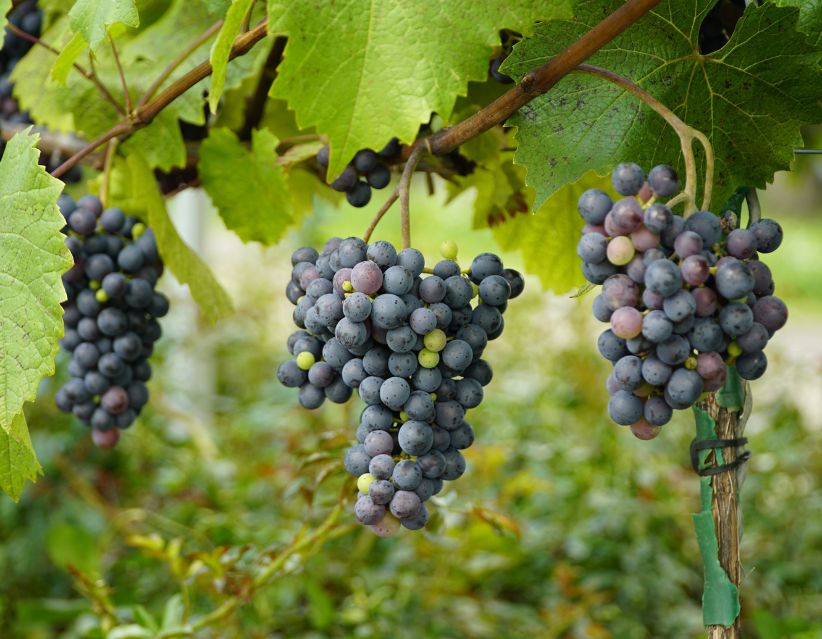
The dark color of black grapes is not just aesthetic. It is a direct signal of higher anthocyanins content compared to green or red varieties. The deeper the color, the more polyphenols packed inside.
Top Benefits of Eating Black Grapes
1. Heart Health — The Most Studied Benefit
When it comes to heart health, black grapes stand out strongly among fruits. The resveratrol present in black grape skin is one of the most researched plant compounds in cardiovascular science.
Resveratrol benefits for the heart are well-documented. According to research published on platforms like Healthline, resveratrol may help reduce inflammation in blood vessels, lower LDL (bad) cholesterol oxidation, and improve blood flow. It essentially acts as a shield for your arteries.
Anthocyanins — those same pigments giving black grapes their deep purple hue — add another layer of protection. They have been shown to reduce oxidative stress in arterial walls, which is one of the key factors in cardiovascular disease. A study cited by WebMD suggests that antioxidants in dark-colored fruits like black grapes may help reduce platelet clumping, lowering the risk of blood clots.
For an Indian household like mine, where we typically consume a vegetarian diet rich in carbohydrates and ghee, adding black grapes to the daily snack rotation is a simple, effective way to support circulation.
Practical tip: Eat 10–15 black grapes as an afternoon snack instead of a biscuit. Your heart will thank you.
2. Black Grapes Benefits for Skin — Real and Backed by Science
This is the section that my younger self would have paid the most attention to. Black grapes benefits for skin are genuinely impressive, and it comes down to — again — antioxidants.
Vitamin C in black grapes supports collagen synthesis, which is what keeps skin firm and elastic. Resveratrol, particularly concentrated in the skin of the grape, has shown in several studies to inhibit the enzymes that break down collagen. Essentially, it may slow the visible signs of aging at a cellular level.
Anthocyanins also protect skin from UV-induced oxidative damage. This does not mean you skip sunscreen — but regular consumption of antioxidant-rich foods like black grapes adds an internal layer of protection.
There is also the hydration angle. Black grapes are approximately 80–81% water. Consistent hydration from your food directly supports skin texture and reduces dullness — something anyone living in dry Indian summers will immediately appreciate.
Many Indian beauty routines already use grape seed extracts in face oils and serums. Eating the whole fruit gives you similar polyphenol benefits from the inside out.
For glowing skin: Eat whole black grapes (skin and all) daily during season. The grape skin holds most of the resveratrol and anthocyanins.
3. Digestion and Fiber — Small Fruit, Solid Impact
Black grapes may not be the first thing you think of when someone says "high fiber food," but their contribution to digestion is real.
Each 100 g serving contains close to 1 g of fiber. While that sounds modest, regular consumption across meals adds up. Fiber supports bowel regularity, feeds beneficial gut bacteria, and slows sugar absorption after eating — something that matters especially if you are managing blood sugar.
Resveratrol also shows some early evidence for supporting gut microbiome diversity. Combined with the water content and natural sugars, black grapes act as a mild digestive aid rather than a burden on the gut.
My grandfather, who dealt with slow digestion due to his diabetes medication, was often told by the family to eat a small bowl of black grapes before his evening walk. Looking back, that advice was nutritionally sound.
For best results with digestion, eat black grapes at room temperature on an empty stomach or as a mid-morning snack — not right after a heavy meal.
4. Immunity Support — Vitamin C and Beyond
Most people think of oranges when they hear vitamin C, but black grapes are a consistent, gentle source too. While the content is not sky-high, regular daily portions of black grapes contribute meaningfully to your overall vitamin C intake.
Vitamin C is essential for immune cell function, collagen production, and iron absorption. For vegetarians who rely on plant-based iron (non-heme iron), pairing iron-rich foods with vitamin C sources like black grapes improves absorption significantly.
Resveratrol also shows immunomodulatory properties in emerging research — meaning it may help regulate immune responses rather than just boost them bluntly. This is particularly relevant for managing chronic, low-grade inflammation, which underlies conditions from diabetes to skin disorders.
Add black grapes to a fruit chaat with amla (Indian gooseberry), pomegranate, and chaat masala for an immunity-focused snack that is also deeply satisfying.
5. Weight Management — Low Calorie, High Satisfaction
Black grapes calories per 100 g sit at 62–69 kcal, making them one of the more calorie-friendly fruit options. Their natural sugars (fructose and glucose) provide a quick energy hit without the crash that comes from refined sugar.
The combination of fiber, water content, and natural sweetness creates a satisfaction response in the brain that helps curb cravings for heavier snacks. If you tend to reach for something sweet after lunch, swapping it for 10–12 black grapes is a straightforward win for weight loss goals.
That said, portion awareness matters. The natural sugar in grapes is real — a full 200 g bunch is about 130–140 kcal, which is reasonable but not "free." Treat black grapes as a measured snack, not unlimited munching.
The Science Behind Resveratrol and Anthocyanins
Let us spend a moment on the two compounds doing most of the heavy lifting in black grapes: resveratrol and anthocyanins.
Resveratrol is a stilbenoid — a type of natural phenol — produced by grapes as a defense mechanism against fungal infection and UV radiation. In human studies (cited widely on Healthline and WebMD), resveratrol benefits include anti-inflammatory effects, potential activation of longevity-linked proteins (sirtuins), and improvements in insulin sensitivity. The last point is particularly relevant when considering whether are black grapes good for diabetes.
Anthocyanins are the flavonoid pigments that give black grapes their deep purple-black color. They are powerful antioxidants that neutralize free radicals — unstable molecules that damage cells and accelerate aging. Research from The Indian Express and international journals shows anthocyanins help reduce oxidative markers linked to cardiovascular disease, cognitive decline, and inflammatory skin conditions.
Both compounds are concentrated in the grape skin and seeds. This is why eating whole grapes — rather than processed grape juice or peeled varieties — gives you the maximum benefit from polyphenols.
Are Black Grapes Good for Diabetes?
This is one of the most common questions, especially in Indian households managing Type 2 diabetes. Here is the honest answer:
Yes, in moderation. Black grapes have a relatively low glycemic index (around 43–53) compared to processed sweets or white bread. The fiber and antioxidants slow sugar absorption and may improve insulin sensitivity over time thanks to resveratrol benefits on glucose metabolism.
However, they still contain natural sugars. A small portion (6–10 grapes, roughly 80–100 g) is generally considered safe for most people with Type 2 diabetes, but individual responses vary. Whole fruit is always better than grape juice for diabetics because juice removes most of the fiber and concentrates the sugar.
My family's approach — small portions, whole fruit, paired with other low-GI foods — aligns well with what current dietary science recommends.
Always consult your doctor or a registered dietitian before making significant dietary changes if you have diabetes.
How to Eat Black Grapes: 3 Easy Indian-Style Ideas
1. Black Grape and Pomegranate Chaat
Toss together black grapes (halved), pomegranate arils, cucumber cubes, a pinch of chaat masala, black salt, and a squeeze of lemon. This fruit chaat is rich in antioxidants, vitamin C, and fiber — and takes five minutes to make.
2. Black Grape Lassi (No Sugar)
Blend 10–12 black grapes with chilled curd (dahi), a pinch of cumin powder, and a few mint leaves. No added sugar needed — the grapes provide enough natural sweetness. A great breakfast alternative that supports digestion and delivers potassium.
3. Mixed Fruit Salad with Black Grapes
Combine black grapes, apple slices, banana, and a few walnuts with a drizzle of honey and lemon juice. The walnuts add omega-3s while the black grapes bring in the anthocyanins and resveratrol. A complete snack for mid-morning or post-workout.
For more fruit nutrition ideas, check out these posts from MindfullHive:
- 10 Green Grapes Benefits That Will Make You Eat Them Every Day
- Which Chocolate Is Good for Health? 7 Science-Backed Truths You Need to Know
- How Coconut Oil Benefits for Hair Changed My Life
Risks, Serving Size, and When to Be Careful
Black grapes are safe and healthy for most people, but a few practical cautions:
- Portion control matters: Stick to 100–150 g (one small cup) per day as a standard snack portion.
- Diabetes: Prefer whole grapes over grape juice. Monitor blood sugar response individually.
- Drug interactions: Resveratrol in large supplemental doses can interact with blood thinners. Eating whole grapes in food amounts is generally safe — supplements are a different story.
- Toddlers: Cut grapes in halves or quarters to prevent choking.
- Washing: Always wash thoroughly under running water to remove pesticide residue. Black grapes are commonly grown with pesticide use in India.
Seasonal availability in many Indian markets runs from November to March. During this window, fresh grapes are at their best — plump, firm, and deeply colored.
FAQs About Black Grapes
Q1: How many black grapes should I eat a day?
A serving of 6–15 black grapes (around 80–100 g) is a good daily portion. This gives you the antioxidant benefits without overloading on natural sugars. If you are calorie-tracking, one cup (~150 g) is about 90–105 kcal.
Q2: Are black grapes good for diabetics?
Yes, in small portions. The low glycemic index and resveratrol content may actually support better insulin function over time. But always eat whole fruit — not juice — and keep portions to 80–100 g. Check with your doctor for personalized advice.
Q3: Do black grapes help with weight loss?
They can support weight loss as part of a balanced diet. Low in calories (62–69 kcal per 100 g), high in water, and naturally sweet, they satisfy sugar cravings without the guilt. Just be mindful of portions.
Q4: Is the grape skin important to eat?
Absolutely yes. The skin contains the highest concentration of resveratrol and anthocyanins — the two most powerful antioxidants in black grapes. Peeling them or drinking only grape juice means missing most of the benefit.
Q5: Can children eat black grapes?
Yes! Black grapes are a nutritious snack for kids. For children under 5, always cut them into halves to prevent choking. Older children can eat them whole as a healthy, naturally sweet snack.
Two Quick Tips Before You Go
Tip 1: Always eat black grapes with the skin on. Most of the resveratrol, anthocyanins, and polyphenols live in the dark skin — not the flesh. Chew the skin properly for maximum antioxidant absorption.
Tip 2: Store black grapes unwashed in the fridge and rinse just before eating. Washing too early causes moisture buildup, which speeds up decay. Buy firm, plump bunches with no shriveling — those are freshest and nutritionally richest.
Final Thoughts
Looking back at that handwritten diary, I realize my family was doing something quietly brilliant. Without fancy nutrition apps or lab reports, they were building an intuitive understanding of food as medicine — especially around something as simple as black grapes.
The benefits of eating black grapes are real, research-backed, and practical. Whether you are eating them for your heart health, your skin, better digestion, or just because they taste wonderful, you are making a good choice. They are low in calories, rich in antioxidants like resveratrol and anthocyanins, and genuinely accessible for most Indian households during the winter-spring season.
Add a small bowl to your afternoon. Eat the skin. Skip the bottled grape juice — whole fruit is always better.
Your body will notice the difference.
Explore more nutrition content on MindfullHive