

Growing up in a vegetarian household, I watched my grandfather struggle with diabetes for years. My grandmother kept a worn notebook filled with her findings about natural foods that could help manage his condition. Black grapes were always at the top of her list, and now I understand why.
When I started exploring her research more seriously, I discovered that black grapes aren't just a sweet treat. They're packed with antioxidants, resveratrol, and anthocyanins that support everything from heart health to glowing skin. Today, I want to share what I've learned about these deep purple powerhouses and how you can use them in your daily routine.
Black grapes are rich in antioxidants like resveratrol and anthocyanins, supporting heart health, skin radiance, and brain function. A 100g serving provides vitamin C, fiber and polyphenols. Eat them fresh or as juice and raisins for daily antioxidant support.
What Makes Black Grapes So Special?
The Nutritional Powerhouse in Your Fruit Bowl
Let me break down what you actually get when you eat black grapes. A 100g serving (about a small bowl) contains:
- Calories: 69
- Carbohydrates: 18g
- Fiber: 0.9g
- Vitamin C: 10.8mg (18% of daily value)
- Vitamin K: 14.6mcg
- Potassium: 191mg
- Resveratrol: High concentration in skins
- Anthocyanins: Responsible for the deep purple color
The dark skin of black grapes is where the magic happens. Unlike green grapes, the deep purple color signals a higher concentration of polyphenols and antioxidant-rich compounds.
How These Compounds Actually Work
Resveratrol and anthocyanins are not just fancy scientific terms. They're active compounds that reduce inflammation in your body, protect your cells from damage, and support healthy aging. Think of them as your body's maintenance crew, constantly repairing and protecting.
When you eat black grapes, these antioxidants get absorbed into your bloodstream and start working within hours. The polyphenols help neutralize harmful molecules called free radicals that cause cellular damage and aging.
9 Incredible Black Grapes Benefits You Need to Know
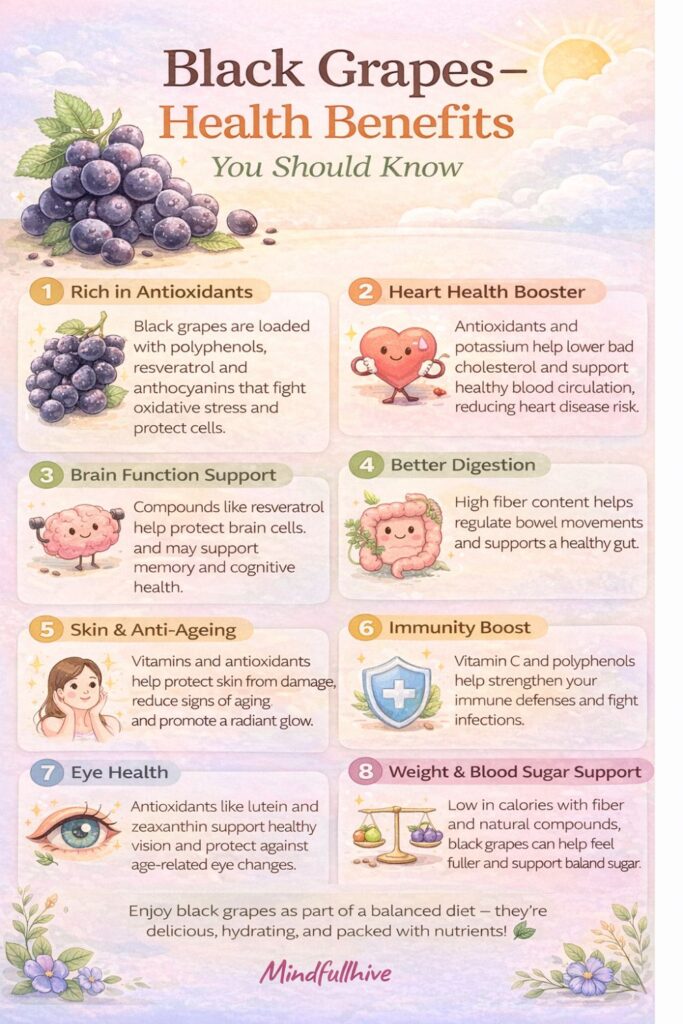
1. Heart Health Protection That Really Works
My grandfather's cardiologist actually recommended black grapes as part of his heart health routine, and the research backs this up completely.
Black grapes contain compounds that improve blood pressure and reduce arterial stiffness. The resveratrol in grape skins helps your blood vessels stay flexible and responsive. Studies show that regular consumption may reduce the risk of cardiovascular disease by improving blood flow and reducing bad cholesterol oxidation.
I noticed that when my grandfather added a small bowl of black grapes to his breakfast, his blood pressure readings became more stable over time. While this isn't a replacement for medication, it's a delicious addition to a heart health focused diet.
The anthocyanins also prevent platelet clumping, which reduces the risk of dangerous blood clots. For someone with a family history of heart issues, this benefit alone makes black grapes worth eating regularly.
2. Skin and Beauty Benefits from Within
The benefits of black grapes for skin became obvious to me during wedding season last year. I started eating them daily and noticed my skin looked clearer and more radiant.
Vitamin C in black grapes supports collagen production, which keeps your skin firm and reduces skin aging. The antioxidants fight oxidative damage from pollution and sun exposure, protecting your skin at a cellular level.
Traditional Indian beauty practices have long included grape-based remedies. You can eat them fresh, apply black grape juice as a face mask, or simply consume them regularly for skin benefits from within.
The polyphenols in black grapes also reduce inflammation that causes acne and skin irritation. I've replaced my evening dessert with a bowl of frozen black grapes, and my skin has never looked better.
3. Brain Function and Memory Support
Resveratrol crosses the blood-brain barrier and protects brain cells from damage. Research suggests it may slow cognitive decline and support memory function as we age.
I've noticed that on days when I include black grapes in my mid-morning snack, I feel sharper during afternoon work sessions. The natural sugars provide quick energy while the antioxidants protect brain cells.
The anthocyanins in black grapes also improve communication between brain cells and reduce inflammation in neural tissue. While more research is needed, early studies show promising results for conditions like Alzheimer's and dementia prevention.
4. Eye Health in the Digital Age
Staring at screens all day has made eye health a priority for me. Black grapes contain compounds that protect the retina and reduce oxidative stress in eye tissues.
The antioxidants lutein and zeaxanthin (found in smaller amounts) filter harmful blue light and protect against macular degeneration. Resveratrol also supports healthy blood flow to the eyes, which is crucial for maintaining vision.
I keep a bowl of black grapes at my desk now. They're a much better alternative to processed snacks, and my eyes feel less strained at the end of long work days.
5. Blood Sugar Management and Diabetes Considerations
This is where my grandmother's research really shined. She discovered that despite containing natural sugars, black grapes can be part of a diabetes-friendly diet when eaten correctly.
The fiber in black grapes slows sugar absorption, preventing sudden blood sugar spikes. The polyphenols may also improve insulin sensitivity, though this benefit requires regular, moderate consumption.
My grandfather learned to pair black grapes with protein-rich foods like roasted chana or a handful of nuts. This combination keeps blood sugar stable while providing antioxidant benefits. A typical serving for someone monitoring diabetes should be around 10-15 grapes, not an entire bunch.
Black grape juice has a higher glycemic impact than whole grapes because it lacks fiber, so stick to fresh fruit when possible. If you're managing diabetes, always check your blood sugar response and consult your doctor about appropriate portion sizes.
6. Digestive Health and Fiber Benefits
While black grapes aren't the highest fiber food, they still support digestive health. The fiber content helps with regular bowel movements and feeds beneficial gut bacteria.
I've found that eating black grapes before a heavy meal helps with digestion. The natural acids and fiber prepare your digestive system and may reduce bloating.
The antioxidants in black grapes also protect the gut lining from inflammation and oxidative damage. This is particularly helpful if you deal with occasional digestive discomfort.
7. Bone and Mineral Support Through Raisins
When black grapes are dried into raisins, their nutrients become more concentrated. Black raisins benefits include higher levels of calcium, iron, and boron, which support bone health.
My grandmother would soak raisins overnight and give them to my grandfather with warm milk in the morning. The soaking makes them easier to digest and increases nutrient absorption.
Raisins are particularly useful for vegetarians who need to increase iron intake. Just remember that they're calorie-dense, so a small handful (about 30-40g) is a good serving size.
8. Anti-Inflammatory Properties for Overall Wellness
Chronic inflammation is linked to almost every major health condition. Black grapes contain multiple antioxidants that reduce inflammatory markers in the body.
The resveratrol and anthocyanins work together to calm inflammatory responses, which can help with everything from joint pain to skin conditions. I've noticed less morning stiffness since I started eating black grapes regularly.
This anti-inflammatory effect also supports faster recovery after exercise and may reduce the risk of chronic diseases linked to ongoing inflammation.
9. Immune System Boost Through Vitamins
Vitamin C and other antioxidants in black grapes strengthen your immune system. During monsoon season, when everyone around me was catching colds, I stayed healthy by including antioxidant-rich foods like black grapes in my diet.
The polyphenols also have antimicrobial properties that may help your body fight infections more effectively. While they're not a cure for illness, they support your body's natural defense systems.
The Science Behind Black Grapes Benefits
What Research Actually Shows
Multiple studies have examined black grapes and their active compounds. A review published in the Journal of Agricultural and Food Chemistry found that resveratrol has cardioprotective effects, reducing the risk of heart disease through multiple mechanisms.
Research on anthocyanins shows they improve vascular function and reduce oxidative stress. These aren't just theoretical benefits. Clinical trials have demonstrated measurable improvements in blood pressure and arterial flexibility.
The antioxidant capacity of black grapes has been measured using ORAC (Oxygen Radical Absorbance Capacity) scores, and they rank high compared to other common fruits.
Important Caveats and Realistic Expectations
Black grapes are beneficial, but they're not magic. They work best as part of a balanced diet rich in vegetables, whole grains, and lean proteins (or plant proteins for vegetarians).
The benefits accumulate over time with regular consumption. Don't expect overnight changes. I noticed real differences after about 4-6 weeks of consistent intake.
Also, individual responses vary based on genetics, overall diet, and lifestyle factors. What worked for my grandfather might have different effects for you.
How to Eat Black Grapes: Practical Indian Recipes and Tips
Fresh Consumption Ideas
The simplest way is eating them fresh as a snack. I wash a bunch and keep them in the fridge for grab-and-go convenience. Here are my favorite ways to include black grapes in daily meals:
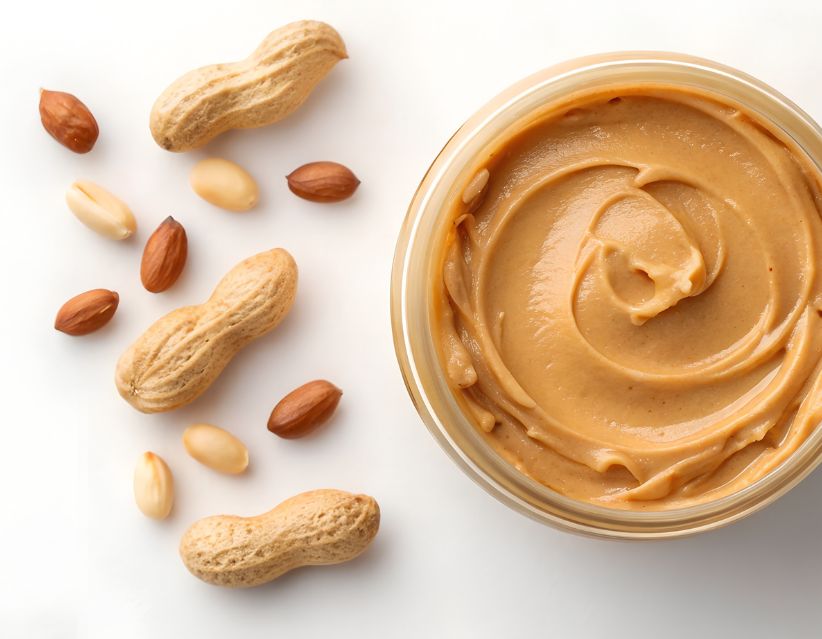
- Morning Boost: Add black grapes to your breakfast with roti and peanut butter, or mix them into oats with nuts and cinnamon.
- Salad Topper: Toss black grapes into a fruit chaat with chaat masala, lemon juice, and black salt. The sweet-tangy combination is addictive.
- Frozen Treat: Freeze black grapes for 2-3 hours and enjoy them as a cooling summer snack. They taste like natural candy and satisfy sweet cravings without added sugar.
- Black Grape Juice Benefits and Recipe
While whole black grapes are better due to fiber content, fresh black grape juice is occasionally nice for variety.
Simple Recipe: Blend 1 cup black grapes with ½ cup water and a few fresh mint leaves. Strain if you prefer smooth juice, or drink it unstrained for extra fiber. Add a pinch of black salt for an interesting flavor twist.
Black grape juice provides quick hydration and antioxidants, but remember to limit intake if you're watching blood sugar.
Indian-Style Recipes and Serving Ideas
Black Grape Chutney: Cook black grapes with jaggery, ginger, and a pinch of red chili powder until thick. This sweet-spicy chutney pairs beautifully with parathas and adds antioxidant value to your meal.
Raita Variation: Mix halved black grapes into regular cucumber raita. The sweet grapes balance the tangy yogurt perfectly.
Grape and Walnut Salad: Combine black grapes, chopped walnuts, pomegranate seeds, and a light lemon dressing. This makes an excellent antioxidant-rich side dish.
Using Black Raisins Daily
Soak 8-10 black raisins overnight in water. Eat them first thing in the morning with the soaking water for maximum black raisins benefits. This traditional practice supports bone health and provides concentrated minerals.
Add raisins to kheer, pulao, or mix them into homemade energy balls with dates and nuts for a healthy pre-workout snack.
Risks, Portion Size, and When to Be Careful
Appropriate Serving Sizes
A healthy serving of black grapes is about 100g or roughly 15-20 medium grapes. This provides benefits without excessive calories or sugar.
For diabetes management, stick to 10-15 grapes paired with protein to slow sugar absorption. Monitor your blood sugar response and adjust accordingly.
Raisins are more concentrated, so limit yourself to 30-40g (about 2 tablespoons) daily to avoid excess calories.
Drug Interactions to Know
Resveratrol in black grapes can interact with blood-thinning medications like warfarin. If you're on such medications, consult your doctor before significantly increasing black grapes intake.
The vitamin K content, while low, can still affect clotting medications. Consistency is key. If you eat black grapes regularly, maintain that pattern rather than alternating weeks with and without them.
Who Should Exercise Caution
People with diabetes should monitor their response carefully. While black grapes can be beneficial, individual blood sugar reactions vary.
Those with kidney issues should limit potassium-rich foods, including black grapes. Always check with your healthcare provider.
Pregnant and nursing women can safely eat black grapes in normal food amounts, but avoid concentrated supplements or extracts without medical guidance.
FAQs About Black Grapes Benefits
Are black grapes good for heart health?
Yes, black grapes contain resveratrol and anthocyanins that support blood vessel health and may reduce arterial stiffness. Eat them as part of a balanced diet for heart health benefits.
How many black grapes should I eat daily?
A common recommendation is about 100g (roughly a small bowl or 15-20 grapes) as a daily antioxidant boost. This provides benefits without excessive sugar or calories.
Do black grapes raise blood sugar?
Black grapes contain natural sugars that can affect blood sugar. Paired with a protein or fiber-rich food, they have a gentler blood sugar effect than juice alone. Monitor your individual response if managing diabetes.
Are raisins as healthy as fresh black grapes?
Raisins are nutrient-dense but higher in sugar per gram. They're useful in small amounts for bone and mineral benefits. Fresh black grapes provide fiber and hydration that raisins lack.
Can black grapes help skin?
Yes, vitamin C and polyphenols in black grapes support collagen production and protect skin from oxidative damage, improving radiance and reducing skin aging signs.
Quick Tips for Maximum Benefits
Tip 1: Swap dessert for a small bowl of black grapes with a handful of roasted chana for protein. This satisfies sweet cravings while providing sustained energy and antioxidant protection.
Tip 2: Freeze black grapes for a low-calorie snack that's perfect in summer and keeps you from reaching for sugary treats. The frozen texture makes them feel indulgent while remaining healthy.
Final Thoughts: Making Black Grapes Part of Your Routine
After exploring my grandmother's notebook and doing my own research, I've made black grapes a staple in my kitchen. They sit in my fridge next to cucumbers and carrots, ready whenever I need a quick antioxidant boost.
The benefits of black grapes for skin, heart health, and overall wellness make them worth the small investment. Whether you enjoy them fresh, as juice, or dried as raisins, these antioxidant-rich fruits offer genuine health support.
Start with a small bowl daily and notice how you feel over the next month. Pay attention to your energy levels, skin quality, and overall well-being. The black grapes nutrition facts speak for themselves, but your personal experience will tell the real story.
If you're looking for simple ways to boost your health naturally, black grapes are an excellent place to start. Try the frozen grape tip this week and explore the recipes that appeal to you most.