
Growing up in a vegetarian household, I watched my grandfather struggle with diabetes while my grandmother scribbled notes in her worn recipe book. She researched every ingredient we consumed, especially our beloved chai. That book became my guide when I started questioning whether my three daily cups of milk tea were helping or hurting my health goals.
Let me share what I discovered through her notes, scientific research, and my own journey of making chai healthier.
What Makes Indian Chai Different from Regular Tea
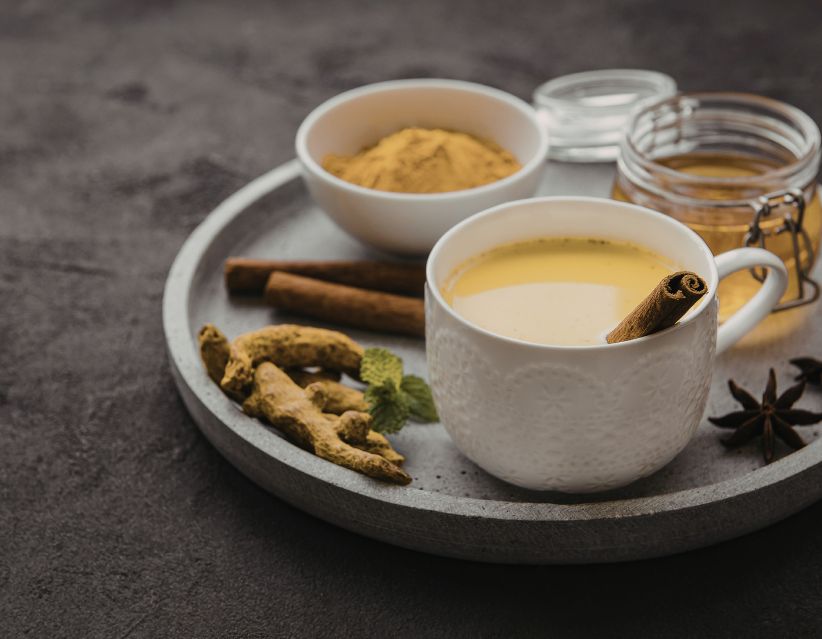
Milk tea isn't just black tea with milk added. In India, chai is a ritual. We simmer black tea leaves with water, add full-fat milk, toss in spices like ginger, cardamom, and cloves, then sweeten it. This brewing method changes everything about the drink's nutritional profile.
The black tea base contains polyphenols, specifically catechins and theaflavins, which research links to heart health. When you add milk, you introduce calcium and protein. The spices bring their own benefits. But here's the catch: most of us add 2-3 teaspoons of sugar per cup, turning a potentially healthy drink into a calorie bomb.
The Real Nutrition Behind Your Morning Cup
Let me break down what's actually in that cup you're holding.
Basic Nutrition Table (Per 200ml Serving)
A typical homemade masala chai contains:
- Calories: 80-120 (varies with milk fat and sugar)
- Sugar: 8-12g (from added sweeteners)
- Caffeine: 40-50mg
- Calcium: 120-150mg
- Protein: 3-4g from milk
- Antioxidants: Variable, depending on brewing time
When I tracked my intake honestly, I realized my "medium" cups were actually 250ml each. Three cups daily meant 360 calories just from chai, plus 36g of sugar. That's your entire recommended daily sugar limit in beverages alone.

Health Benefits: What Science Actually Says
After reading through grandmother's research notes and cross-checking with peer-reviewed studies, here's what holds up.
Antioxidant Power from Tea
Black tea delivers theaflavins and thearubigins, compounds formed when tea leaves oxidize. These antioxidants fight oxidative stress in your body. One review in PMC (Tea and Health: Studies in Humans) found regular tea drinkers showed better cardiovascular markers compared to non-drinkers.
The catechins in tea, though more concentrated in green tea, still appear in black varieties. These compounds may help reduce inflammation and support metabolic health.
Spice Benefits You Shouldn't Ignore
Traditional masala chai spices aren't just for flavor. Ginger aids digestion and has anti-inflammatory properties. Cardamom can help with digestive issues. Black pepper increases nutrient absorption. Cloves contain antimicrobial compounds.
My grandmother always added a thumbnail-sized piece of ginger to our morning chai. She claimed it prevented bloating, and modern research backs this up. Ginger stimulates digestive enzymes and moves food through your system more efficiently.
Milk Provides Essential Nutrients
That full-fat milk you add isn't the villain it's made out to be. You get calcium for bone health, vitamin D (if fortified), vitamin B12, and complete proteins. The casein protein in milk keeps you satisfied longer than black tea alone.
For vegetarians like my family, chai with milk became an easy way to meet daily calcium needs without relying on supplements.
Hydration Factor
Despite the caffeine, milk tea still counts toward your daily fluid intake. The hydration benefits outweigh the mild diuretic effect of caffeine at moderate consumption levels. According to Verywell Health research, tea is about 99% water, making it genuinely hydrating unless you consume excessive amounts.
Health Risks: The Problems Nobody Mentions
Here's where my grandmother's notes got serious, and where most articles sugarcoat the truth.
Sugar Overload and Diabetes Risk
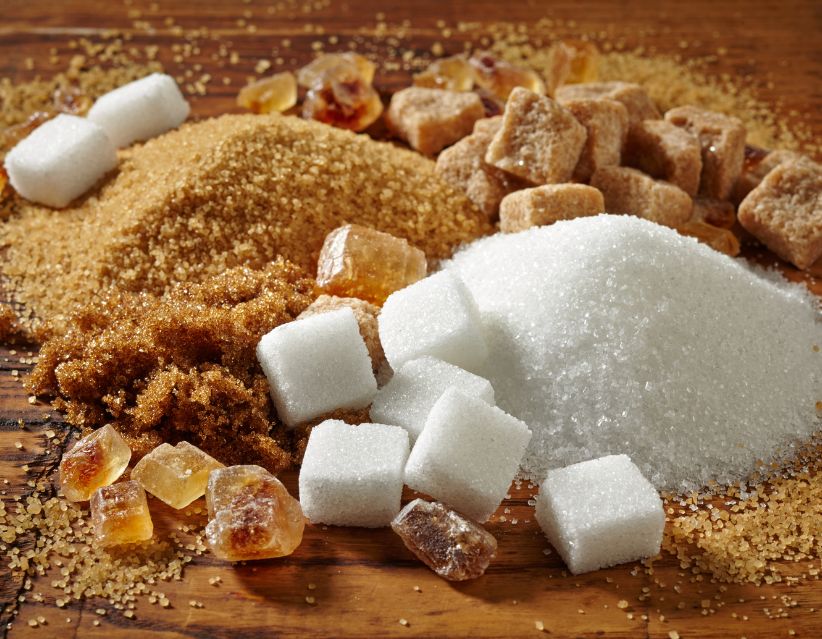
The biggest problem with chai isn't the tea or milk. It's the sugar. When you consume 2-3 sweetened cups daily, you're flooding your body with quick calories and spiking blood glucose repeatedly.
My grandfather's diabetes worsened during years when he drank heavily sweetened chai four times daily. The Indian Express article on milk tea consumption highlights this exact pattern. Regular overconsumption of sugary beverages increases weight gain risk and type-2 diabetes development.
Each teaspoon of sugar adds 16 calories. Multiply that by 3 teaspoons per cup and 3 cups daily, that's 144 calories from sugar alone. Over a year, that could mean 5-6 kg of potential weight gain if not offset by activity.
The Milk and Antioxidant Debate
Here's something fascinating from grandmother's notes, confirmed by science. The casein protein in milk can bind to tea polyphenols, potentially reducing their antioxidant activity in laboratory tests.
Bourassa's 2013 study showed milk alpha-casein affects tea polyphenol structure. However, Hollman's 2001 human study found no significant reduction in flavonoid absorption when people consumed tea with milk versus without. The evidence remains mixed.
Practically, this means: yes, milk might reduce some measured antioxidant capacity, but your body still absorbs meaningful amounts of beneficial compounds. Don't skip milk if you enjoy it, just don't overdo portion sizes.
Caffeine Sensitivity and Sleep
Caffeine affects everyone differently. While 150mg daily (3 cups of chai) is moderate for most adults, some people experience anxiety, heart palpitations, or sleep disruption even at lower doses.
I noticed my sleep quality improved when I stopped drinking chai after 3 PM. That afternoon cup I thought was harmless had a 5-6 hour half-life, meaning half the caffeine remained in my system at bedtime.
Digestion Issues from Over-Boiling
Traditional chai preparation involves boiling tea with milk for several minutes. This creates a rich flavor but also extracts excessive tannins, which can interfere with iron absorption and cause stomach irritation in sensitive people.
The Times of India highlighted how over-boiled tea increases tannin concentration. If you experience acidity or digestive discomfort after chai, brewing time might be the culprit.
How I Made My Chai Healthier (Practical Changes)
After months of experimentation, here's what actually worked without sacrificing taste.
Cut Sugar Gradually
I went from 2.5 teaspoons per cup to 0.5 teaspoon over six weeks. The trick? Reduce by half a teaspoon every two weeks. Your taste buds adapt faster than you'd think. Now, fully sweetened chai tastes syrupy to me.
Alternative sweeteners like stevia work, but I prefer retraining my palate. A tiny amount of jaggery (unrefined sugar) adds minerals alongside sweetness, though it's still sugar calorically.
Shorter Brewing Time
Instead of boiling tea for 5-7 minutes, I steep for 2-3 minutes after the water reaches a rolling boil. This extracts catechins and theaflavins while limiting bitter tannins. The chai tastes lighter but cleaner.
Milk Alternatives (Tested Personally)
As vegetarians, we tried various plant-based milks:
- Oat milk: Creamy texture, slightly sweet naturally, worked great
- Almond milk: Too thin, but acceptable with full-fat versions
- Coconut milk: Rich and delicious, but high in saturated fat
- Soy milk: Protein-rich, though some find the taste off
Whole dairy milk still won for traditional masala chai flavor. The fat content helps spices release their aromatic compounds better than low-fat alternatives.
Portion Control Reality Check
I switched from 250ml mugs to 150ml cups. Sounds small, but three 150ml cups (450ml total) felt more satisfying throughout the day than two large 250ml servings (500ml). The psychological trick of "three cups" versus "two cups" made the transition easier.
Spice Adjustments for Extra Benefits
I increased ginger to a thumb-sized piece per pot, added a pinch of turmeric for anti-inflammatory benefits, and used 4-5 crushed cardamom pods. The spices created complexity that made reduced sugar less noticeable.
Practical Serving and Timing Advice
Through trial and error, I found these guidelines work for most people.
Who should limit milk tea:
- Pregnant women (keep caffeine under 200mg daily, about 4 cups of chai)
- People with gastritis or acid reflux (tannins can irritate)
- Those with iron deficiency (drink chai between meals, not with food)
- Anyone trying to lose weight (watch those calories and sugar)
Best timing:
Morning chai after breakfast provides energy without sleep disruption. Mid-morning or early afternoon works well. Avoid chai within 6 hours of bedtime if you're caffeine-sensitive.
I learned this the hard way. For months, I blamed stress for my poor sleep, never connecting it to my 4 PM chai habit. Once I moved that last cup to 2 PM, my sleep improved dramatically within a week.
Safe daily amount:
For most adults, 2-3 cups of low-sugar milk tea fits into a healthy diet. More than 4-5 cups increases caffeine intake to levels that might cause jitters or anxiety.
The key isn't just quantity but consistency. Drinking chai at roughly the same times daily helps your body anticipate and process the caffeine more efficiently. Random chai consumption throughout the day can disrupt your natural energy rhythms.
Two Healthier Masala Chai Recipes
Recipe 1: Light Masala Chai (60 calories per cup)
Ingredients for 2 servings:
- 2 cups water
- 2 tsp black tea leaves
- 1-inch ginger, crushed
- 3 cardamom pods, crushed
- 2 cloves
- 1 cup low-fat milk
- 1 tsp jaggery (total, for both cups)
Method: Boil water with spices for 2 minutes. Add tea leaves, steep 2-3 minutes. Add milk, bring to one boil, turn off heat. Strain, stir in minimal jaggery.
Recipe 2: Protein-Rich Chai (90 calories per cup)
Ingredients for 2 servings:
- 2 cups water
- 2 tsp black tea leaves
- 1 cup whole milk or oat milk
- Thumb-sized ginger
- 4 cardamom pods
- Pinch turmeric
- 1 tsp honey (optional, add after cooling slightly)
Method: Same as above, but use whole milk for satiety. The fat and protein keep you full longer, preventing snack cravings.
Three Clear Takeaways for Your Daily Chai
After all this research and personal testing, here's what matters:
1. Sugar is the real problem, not the chai itself.
Reduce added sweeteners to less than 1 teaspoon per cup. Your taste buds will adjust within a month.
2. Quality matters more than quantity.
Two mindfully prepared cups with good ingredients beat four rushed, over-sweetened ones. Focus on brewing technique and fresh spices.
3. Timing and portion control make it sustainable.
Keep cups to 150-200ml, stop caffeine by mid-afternoon, and balance chai with overall diet goals.
Milk tea gave my family comfort during difficult times. My grandfather eventually stabilized his diabetes by cutting sugar from his chai, not by eliminating it entirely. That worn recipe book proved that tradition and health can coexist with small, intelligent adjustments.
FAQs: Your Chai Questions Answered
Q1: Is milk tea healthy?
In moderation, plain milk tea gives antioxidants and calcium. Avoid heavy sugar and very large servings. Two cups daily with minimal sweetener fits most healthy diets.
Q2: Does adding milk ruin tea's benefits?
Lab studies show milk proteins can bind some tea polyphenols, but human studies are mixed. The benefit isn't entirely lost. If you enjoy milk in tea, keep it.
Q3: How much chai is safe per day?
For most adults, 2-3 modest cups with low sugar is fine. More may increase caffeine and calorie risk. Listen to your body's response.
Q4: Is masala chai better than plain tea?
Spices like ginger and cardamom add anti-inflammatory benefits and improve digestion. Masala chai offers more than plain black tea nutritionally.
Q5: Best sugar alternatives for chai?
Use very small amounts of jaggery, stevia, or reduce sugar gradually. Better still, cut to half and retrain your taste over several weeks.
Two Quick Tips:
Tip 1: Make chai with whole milk (satisfies taste so you use less sugar). The natural fat content creates a richer mouthfeel that compensates for reduced sweetness.
Tip 2: Brew tea briefly (2-3 minutes) to avoid excessive tannins and bitterness. This extraction time captures beneficial catechins without the harsh compounds.
Note: This article synthesizes research from peer-reviewed sources including PMC reviews on tea and health, studies by Bourassa (2013) on milk-polyphenol interactions, and Hollman (2001) on flavonoid absorption. It incorporates practical guidance from Indian Express and Times of India health coverage. Always consult healthcare providers for personalized dietary advice, especially if managing conditions like diabetes.