
I still remember sitting in our kitchen last summer, watching the afternoon sun filter through the window, when I noticed how my skin looked different from my cousin who just returned from her college in Kerala. She had this beautiful, even glow that made me curious. That evening, I found myself flipping through the old notebook where my family has been documenting natural remedies for generations.
What I discovered changed everything I thought I knew about
skin pigmentation and the role of melanin production in our body. The answer was not in expensive creams or treatments but sitting right there in our kitchen, in the foods we eat every day.
Today, I want to share everything I learned about which food increase melanin in skin through both traditional wisdom and scientific understanding. This is not just another health article. This is a personal journey that helped me understand my skin better.
Quick Answer: Eat tyrosine-rich foods (paneer, cheese, lentils), copper sources (nuts, seeds), vitamin A/C produce (carrots, citrus, leafy greens), and antioxidant foods (berries, dark chocolate) regularly to help support melanin production; pair this with sun protection and a balanced diet.
Understanding Melanin and How Your Body Makes It
Before we dive into the melanin boosting diet India approach, let me share what I learned about how our body actually produces this fascinating pigment.
Melanin production happens in special cells called melanocytes. Think of these cells as tiny factories in your skin. They take an amino acid called tyrosine and transform it into melanin through a complex process involving enzymes and nutrients.
What fascinated me most was learning that copper acts like a helper in this process. Without enough copper for pigmentation, the enzyme tyrosinase cannot work properly, and melanin production slows down. It is like trying to cook without turning on the stove.
Vitamin A and vitamin C also play crucial roles. They protect the melanocytes from damage and support healthy skin pigmentation. Plus, antioxidants from foods shield these cells from oxidative stress that could harm them.
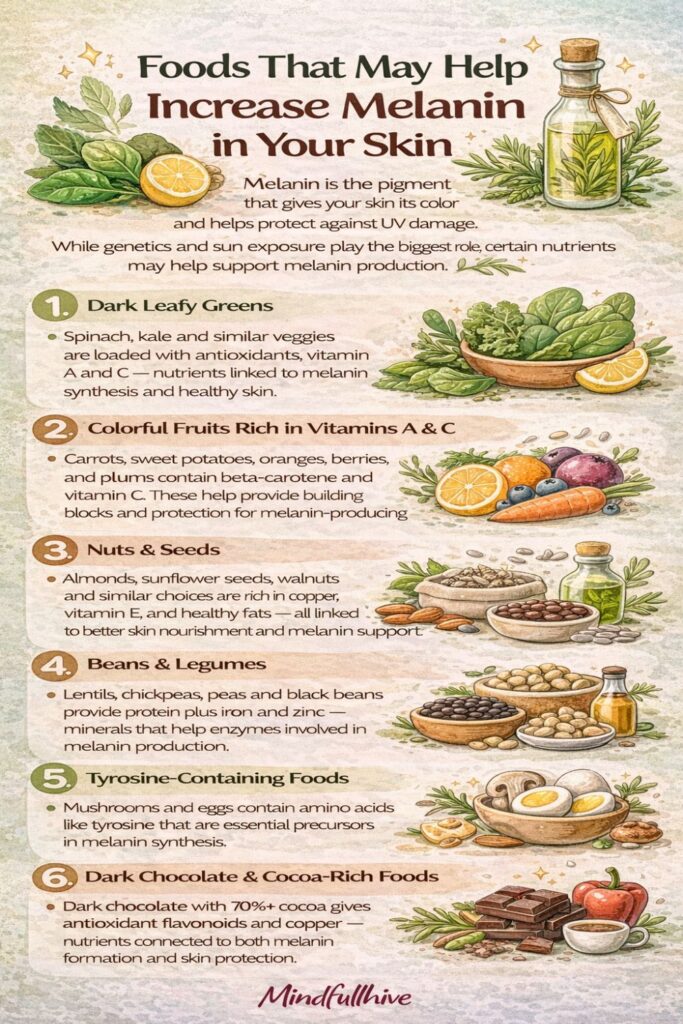
Top Nutrients That Support Melanin Production
When I started researching foods that increase skin pigmentation, I realized it is all about specific nutrients. Here is what I discovered works best:
Tyrosine: The Building Block
Tyrosine is the primary raw material your body needs for melanin production. Without it, the entire process cannot begin.
The best tyrosine rich foods for skin pigmentation in a vegetarian diet include:
- Paneer and dairy products: A cup of paneer provides substantial tyrosine. I started adding paneer bhurji to my breakfast, and it is delicious.
- Cheese: Especially cottage cheese and cheddar. Just a small cube in your salad makes a difference.
- Lentils and legumes: Moong dal, masoor dal, and chickpeas are excellent sources. Our family already ate dal daily, so this was easy.
- Soy products: Tofu and soy milk contain good amounts of tyrosine. I experimented with tofu tikka, and it turned out great.
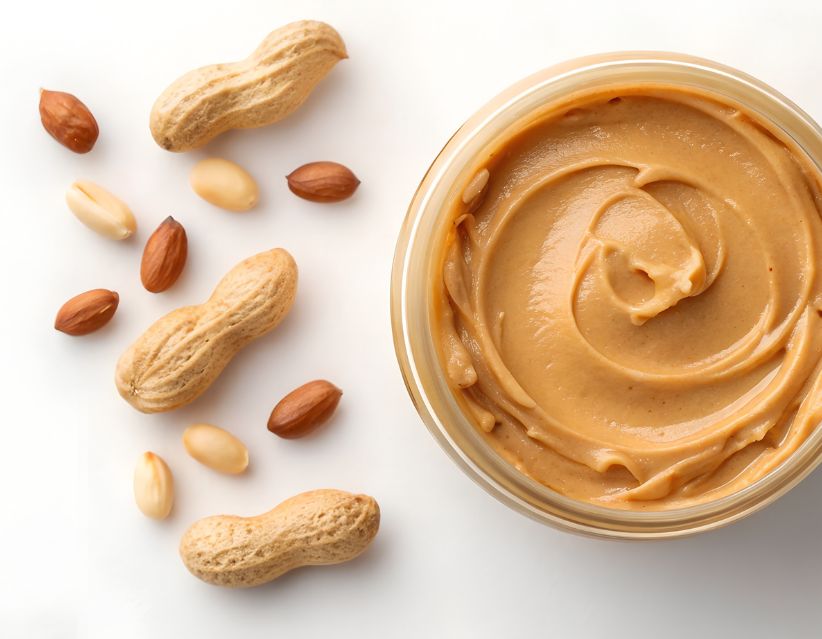
- Nuts: Almonds, cashews, and peanuts. I keep a small box of mixed nuts & seeds on my desk now.
Copper: The Essential Helper
Copper activates the tyrosinase enzyme, which converts tyrosine into melanin. Think of it as the switch that turns on melanin production.
The best copper rich foods for melanin are:
- Pumpkin seeds: These tiny powerhouses are loaded with copper. I roast them with a pinch of salt and black pepper for an evening snack.
- Sesame seeds: Traditional til ladoo suddenly made more sense. Sesame provides both copper and other minerals.
- Walnuts: One handful daily is perfect. I soak them overnight like my family taught me.
- Mushrooms: Button mushrooms and oyster mushrooms work great. Mushroom curry became my weekend favorite.
- Sunflower seeds: Easy to add to salads or eat as is. Another excellent copper
Vitamin A and Vitamin C: The Protectors
These vitamins protect melanocytes and support healthy skin pigmentation. Without them, even if you have enough tyrosine and copper, the cells might not function optimally.
Best vitamin A rich foods:
- Carrots: One medium carrot daily is fantastic. I juice them or eat them raw with lunch.
- Sweet potatoes: Roasted sweet potato chaat is both healthy and tasty.
- Spinach: Palak paneer, palak paratha, or simple sauteed spinach. These leafy greens are nutritional champions.
- Kale: While not traditional in Indian cooking, kale is now available in cities and makes excellent chips when baked.
- Mango: Indian summer blessing! Rich in vitamin A and absolutely delicious.
Best vitamin C rich foods:
- Amla (Indian gooseberry): This is pure gold for vitamin C. Amla juice in the morning or amla pickle with meals.
- Oranges and citrus: Fresh orange juice or the fruit itself. Sweet lime (mosambi) is gentler on the stomach.
- Bell peppers: Red, yellow, or green peppers in sabzi or salad add color and vitamin C.
- Guava: One guava has more vitamin C than an orange. I sprinkle chaat masala on it.
- Tomatoes: Fresh in salad or cooked in curry. Versatile and nutritious.
Antioxidants: The Cell Protectors
Antioxidant foods for skin protect melanocytes from oxidative damage caused by sun exposure, pollution, and stress. They are like bodyguards for your skin cells.
Top antioxidant rich foods:
- Berries: Strawberries, blueberries (though expensive), and local berries when available. Even jamun (Indian blackberry) works wonderfully.
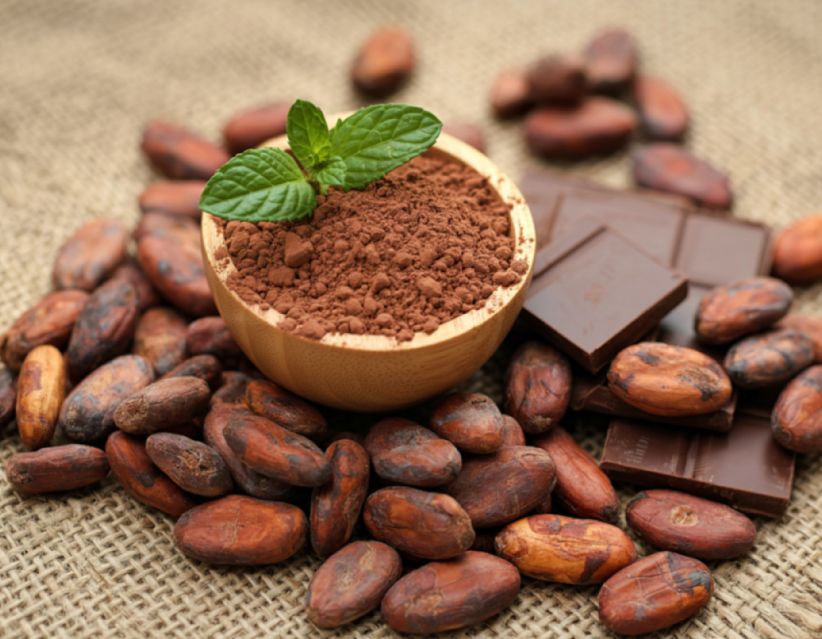
- Dark chocolate: Yes, you read that right! A small piece of 70% or higher dark chocolate provides antioxidants. This was my favorite discovery.
- Green tea: Packed with antioxidants. I replaced one chai with green tea daily.
- Pomegranate: Anardana or fresh pomegranate seeds. Rich in antioxidants and traditional Indian fruit.
Building Your Melanin-Supporting Meal Plan
Understanding which food increase melanin in skin is one thing, but making it practical for daily life is another. Here is how I built my diet for pigmentation support:
Simple Food Swaps That Work
- Morning chai → Green tea with lemon (adds vitamin C and antioxidants)
- Regular snacks → Handful of mixed nuts & seeds (walnuts, pumpkin seeds, sesame)
- White rice → Brown rice or millets occasionally
- Regular sabzi → Add more leafy greens (spinach, methi, amaranth)
- Evening chocolate → Small piece of dark chocolate (satisfies cravings plus antioxidants)
Three Easy Indian Day Menus
Menu 1: Traditional Vegetarian
- Breakfast: Palak paratha with paneer filling, fresh orange juice
- Mid-morning: Handful of soaked almonds and walnuts
- Lunch: Moong dal, brown rice, carrot and cucumber salad, curd
- Evening: Green tea with roasted pumpkin seeds
- Dinner: Mushroom curry, chapati, sauteed spinach
Menu 2: South Indian Style
- Breakfast: Idli with sambar (loaded with vegetables), coconut chutney
- Mid-morning: Fresh guava with chaat masala
- Lunch: Rice, rasam, avial (mixed vegetables), carrot pachadi
- Evening: Til ladoo (sesame balls) with green tea
- Dinner: Masoor dal, roti, kale poriyal (if available), tomato salad
Menu 3: Budget-Friendly Option
- Breakfast: Poha with peanuts, carrots, and lemon
- Mid-morning: Seasonal fruit (banana or orange)
- Lunch: Chana dal, rice, spinach sabzi, onion-tomato salad
- Evening: Roasted chana with pumpkin seeds
- Dinner: Mixed dal khichdi with dahi and carrot pickle
Your Weekly Shopping List
Keep these foods to boost melanin naturally stocked in your kitchen:
- Dairy: Paneer, cheese, yogurt, milk
- Dals: Moong, masoor, chana, toor
- Nuts & seeds: Walnuts, almonds, pumpkin seeds, sesame seeds, sunflower seeds
- Vegetables: Carrots, sweet potatoes, spinach, kale, bell peppers, tomatoes, mushrooms
- Fruits: Oranges, guava, amla, mangoes (seasonal), berries (when available), pomegranate
- Others: Green tea, dark chocolate (70% cocoa)
Beyond Food: Lifestyle Factors That Matter
While foods that increase skin pigmentation are crucial, other lifestyle factors also influence melanin production. Here is what I learned:
Sun Exposure and Protection
Sun exposure stimulates melanin production, but excessive sun can damage skin cells. The balance is key. I spend 15-20 minutes in morning sun for vitamin D but always use sunscreen during peak hours.
Remember, sun protection does not mean avoiding sun completely. It means being smart about timing and protection. Even with the best diet for pigmentation, damaged skin cells cannot function well.
Sleep, Stress, and Overall Health
Poor sleep and chronic stress harm melanin production. Your body repairs and regenerates during sleep. I noticed this personally when exam stress affected my skin.
Smoking damages melanocytes and reduces blood flow to skin. Even second-hand smoke can affect skin pigmentation health. Avoiding smoking and excessive alcohol supports overall cellular health.
Regular exercise improves circulation, delivering nutrients from your melanin boosting diet India plan to skin cells more efficiently. Even a 30-minute walk daily helps.
Safety, Supplements, and Common Myths
What Science Says (and What It Does Not)
Let me be honest about what which food increase melanin in skin can and cannot do:
- What food CAN do: Provide building blocks (tyrosine) and cofactors (copper, vitamins) for healthy melanin production. Support overall skin health.
- What food CANNOT do: Change your genetic skin color dramatically overnight. Override your natural melanin type completely.
- Realistic expectations: With consistent diet changes, you may notice improved skin health, more even tone, and possibly modest changes in how your skin responds to sun exposure over several months.
Should You Take Supplements?
This question comes up often. Here is my understanding:
High-dose supplements of tyrosine, copper, or other nutrients can cause side effects. Excess copper can interfere with zinc absorption and cause stomach issues. Too much vitamin A can be toxic.
Unless you have a diagnosed deficiency confirmed by blood tests, focus on getting nutrients from foods to boost melanin naturally. Food provides nutrients in balanced forms your body recognizes.
If you consider supplements, consult a doctor or nutritionist first. They can test for actual deficiencies and recommend appropriate doses.
Busting Common Myths
- Myth 1: One magic food will change your skin color. Reality: It takes a combination of tyrosine rich foods, copper sources, vitamins, and antioxidants.
- Myth 2: Food alone can override genetics. Reality: Your genetic blueprint sets your baseline. Food supports optimal function within your genetic potential.
- Myth 3: Results happen in days. Reality: Skin cell turnover takes weeks. Noticeable changes may take 2-3 months of consistent effort.
- Myth 4: Same diet works for everyone. Reality: Individual responses vary based on genetics, existing diet, lifestyle, and health conditions.
Frequently Asked Questions
1. Can food increase melanin in skin?
Yes, food supplies the building blocks like tyrosine and cofactors like copper and vitamins that help melanin synthesis. However, food alone will not drastically change your natural skin pigment overnight. The effect is supportive and gradual, working within your genetic potential.
2. Which single food helps melanin production the most?
There is no single magic food. Effective melanin production requires combining tyrosine sources like paneer and lentils, copper from nuts & seeds, and vitamin A/vitamin C rich produce. The combination matters more than any individual food.
3. Are supplements needed to increase melanin?
Only if a deficiency is diagnosed through medical testing. High-dose supplements can cause side effects and imbalances. For most people, getting nutrients from foods to boost melanin naturally is safer and more effective. Always consult a doctor before taking supplements.
4. Will eating these foods darken my skin permanently?
Food may support melanin production modestly, but genetics and sun exposure are the major drivers of skin pigmentation. A melanin boosting diet India approach helps optimize what your body can naturally do. It will not override your genetic skin type.
5. Are there any foods to avoid for melanin production?
There is no clear avoid list for melanin specifically. However, a balanced diet overall helps skin health. Avoiding smoking and excessive alcohol supports melanocyte function. Highly processed foods and excessive sugar can cause inflammation that affects all cellular processes, including melanin production.
Two Quick Tips to Start Today
Tip 1: The Daily Seed Mix
Mix equal parts pumpkin seeds and sesame seeds in a small jar. Add a small handful (about 2 tablespoons) to your breakfast, salad, or eat as an evening snack. This simple habit provides both copper and tyrosine daily. I keep this mix in my desk drawer at work.
Tip 2: The Vitamin C Boost
Pair vitamin C foods like oranges or amla with your copper and iron sources. Vitamin C improves mineral absorption. For example, squeeze lemon on your dal or have an orange after your nuts snack. This simple pairing makes nutrients more bioavailable.
My Personal Journey and Final Thoughts
It has been six months since I started paying attention to which food increase melanin in skin. The changes are subtle but real. My skin looks healthier and more even-toned. More importantly, I feel better knowing I am nourishing my body properly.
The beauty of this approach is that it is not about following a restrictive diet or buying expensive supplements. It is about making smarter choices with foods that are already part of Indian cuisine. Carrots, spinach, lentils, paneer, nuts – these are not exotic superfoods. They are what we already cook with.
Remember that healthy skin pigmentation is just one aspect of overall wellness. Focus on eating a balanced diet for pigmentation support, getting adequate sleep, managing stress, protecting your skin from excessive sun damage with sunscreen, and staying hydrated.
Your body is remarkably intelligent. When you provide it with the right building blocks through tyrosine rich foods for skin pigmentation, copper rich foods for melanin, and plenty of antioxidant foods for skin protection, it knows what to do.
Start small. Pick two or three changes from the menus above. Maybe add that handful of walnuts and pumpkin seeds daily. Swap one cup of regular chai for green tea. Include more leafy greens in your meals. Small consistent changes add up over time.
I wish you all the best on your journey to healthier skin. Remember, this is not about achieving someone else's complexion. This is about supporting your own unique skin to be its healthiest, most radiant version.
Here is to nourished skin and overall wellness through simple, sustainable food choices!