
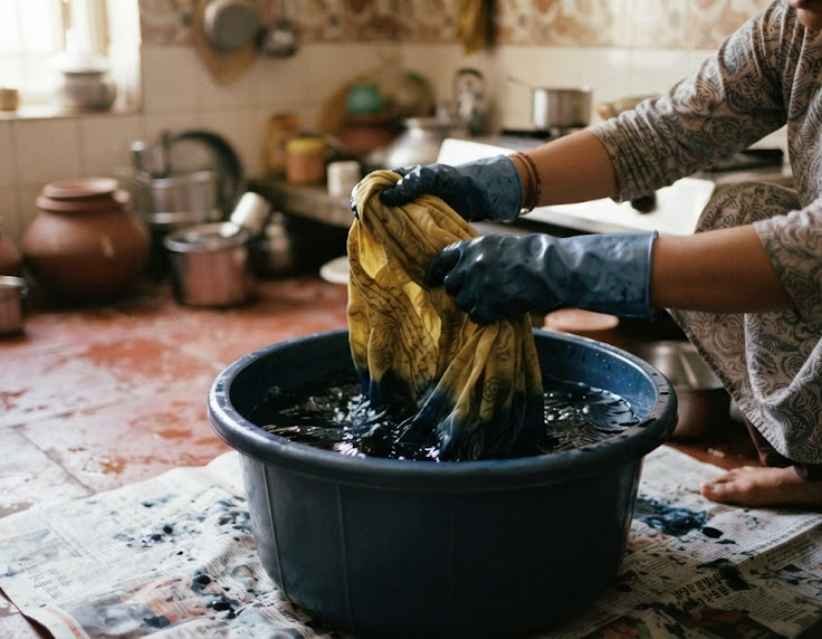
I still remember the exact moment my favourite mustard-yellow kurti went from "office ready" to "wash-and-cry" faded. Three washes in Jaipur's hard water and it looked like it had been left out in the sun for a decade. Instead of throwing it into the give-away pile, I decided to learn how to dye clothes at home, and honestly, it turned into one of my most satisfying weekend projects.
If you've got a faded T-shirt, a dull cotton saree, or a kurti that's lost its spark, this guide will walk you through everything you need to know, from choosing the right fabric dye to fixing patchy colour and preventing bleeding later.
Can You Dye Clothes at Home?
Yes, and you don't need a professional setup for it. Most home dyeing projects only need a bucket, hot water, and the right fabric dye for your garment's fibre.
That said, not every fabric behaves the same way:
- Cotton absorbs dye easily and is the best starting point for beginners
- Linen takes colour almost as well as cotton, though it can feel slightly stiffer afterward
- Rayon picks up colour well but needs gentler handling since it's weaker when wet
- Silk and wool dye beautifully but need lower heat and a dye made for protein fibres
- Polyester and other synthetics need a specialised synthetic-fabric dye, since regular dye barely sticks to them
- Blended fabrics (like cotton-poly mixes) will usually take on a lighter or muted version of the intended shade
Before you begin, check the care label. If a garment says "dry clean only," it's best to leave it to a professional instead of experimenting at home.
What You Need to Dye Clothes at Home
Here's a simple checklist to keep beside you before you start:
- Fabric dye suited to your garment's fibre
- A large bucket or stainless-steel container (avoid anything you'll later use for food)
- Hot water
- A measuring cup
- Salt or another dyeing auxiliary, depending on your dye's instructions
- Rubber gloves, unless you enjoy walking around with purple fingertips for three days
- Mild detergent for the post-dye wash
- An old spoon or wooden stick for stirring
- Newspaper or a plastic sheet to protect your floor
I learned the newspaper part the hard way. My kitchen floor still has a faint blue patch near the sink.
How to Dye Clothes at Home Step by Step
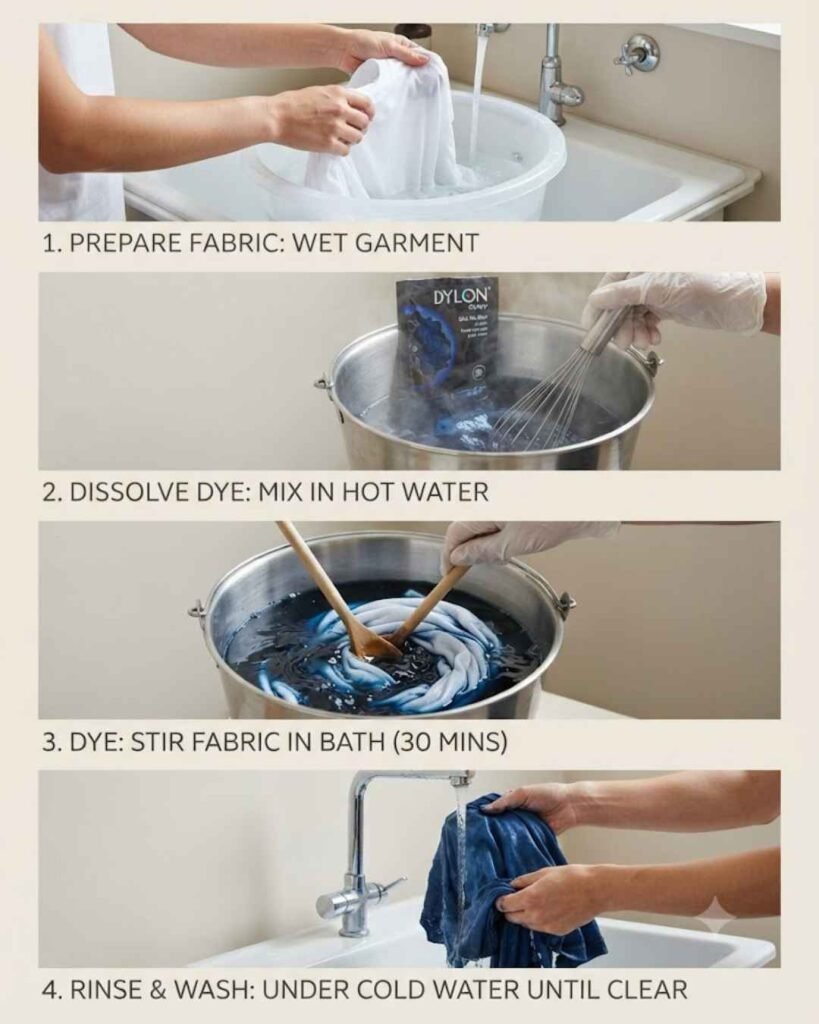
This is the core process, and once you understand it, you can repeat it on almost any garment.
1. Check the Fabric
Look at the label. Natural fibres like cotton, linen, and silk behave very differently from polyester, so this single step decides which dye you'll buy.
2. Wash the Garment
Wash the item before dyeing to remove any oils, starch, or invisible residue that could block the dye from setting evenly.
3. Choose the Dye Colour
Pick a shade that makes sense with the garment's current colour. Dye added over an existing colour blends with it rather than replacing it completely, so a faded blue shirt won't turn snow white just because you added white dye.
4. Prepare the Dye Bath
Dissolve the dye powder or liquid completely in hot water, following the ratio mentioned on your dye's packaging. Don't skip this step. Undissolved powder is one of the most common reasons for patchy colour.
5. Wet the Clothes
Soak the garment in plain water first. A wet fabric absorbs dye far more evenly than a dry one.
6. Add the Garment to the Dye Bath
Slide the wet garment into the dye bath slowly so it doesn't fold onto itself and trap uneven patches.
7. Stir for Even Colour
Keep the fabric moving for the first several minutes especially. This early stirring window matters the most for even coverage.
8. Check the Colour
Lift a corner out occasionally. Remember that wet fabric always looks darker than it will once dry, so don't panic if it seems too intense at first.
9. Rinse the Garment
Rinse under running water until it runs completely clear. This step protects your other clothes from colour transfer later.
10. Wash and Dry
Wash the freshly dyed piece separately with a mild detergent, then dry it away from direct sunlight to protect the new shade.
How to Dye Clothes in a Bucket
If you don't own a washing machine, or simply don't want dye anywhere near it, bucket dyeing is the easiest home method, and it's how I did my kurti.
- Use a large, clean bucket that's only used for this purpose going forward
- Add hot water according to your dye's instructions
- Dissolve the dye completely before adding fabric
- Wet the garment fully first
- Lower it into the dye bath and keep it moving with your spoon
- Check the colour every few minutes
- Remove it once you're happy with the shade
- Rinse thoroughly, then wash separately
There isn't one universal ratio of dye to water that works for every brand or fabric, so always follow the specific product's instructions rather than guessing.
How to Dye Different Types of Fabric
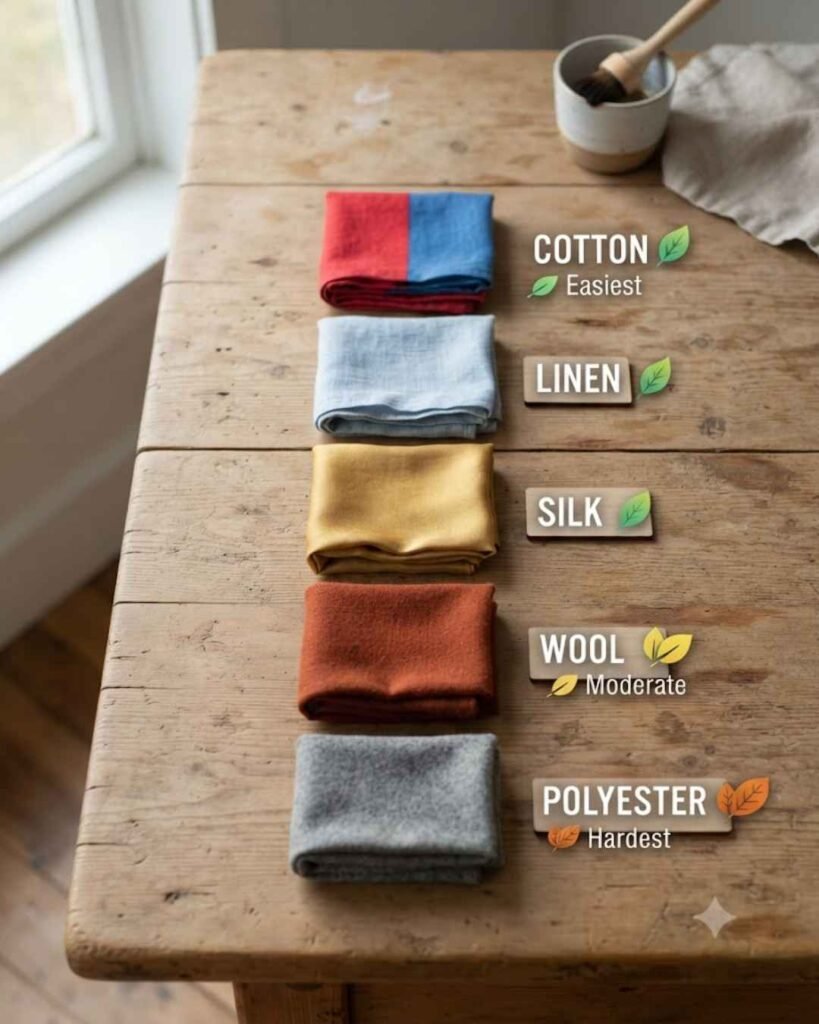
Since garments react differently, here's a quick breakdown before you buy your dye:
- Cotton: Easy. Great for beginners and holds colour reliably.
- Linen: Easy to moderate. Follow your dye's specific instructions closely.
- Rayon: Moderate. Absorbs colour well, but handle it gently when wet.
- Silk: Moderate. Needs a dye meant for protein-based fibres.
- Wool: Moderate. Avoid very high heat, which can shrink or felt it.
- Polyester: Difficult with regular dye. Needs a synthetic-fabric dye instead.
- Cotton-polyester blends: Moderate. The final shade may be softer than expected.
If you're trying how to dye clothes for the first time, start with a plain cotton item so you can build confidence before moving to trickier fabrics.
How to Dye Clothes a Different Colour
Changing a garment's colour completely is different from simply refreshing a faded one.
- White or very pale fabric gives you the most predictable results
- Pale yellow can shift toward green when dyed blue
- Blue can turn purple-ish with a red dye added on top
- Dark colours are nearly impossible to lighten through home dyeing
- Prints, logos, or embroidery threads may resist the dye and stay visible
Think of it as layering rather than replacing. The original shade always plays a part in the final result.
Can You Use Natural Ingredients to Dye Fabric?
If you'd rather skip commercial dye altogether, several kitchen ingredients can tint fabric, though the results are softer and less predictable:
- Turmeric for warm yellow tones
- Onion skins for earthy orange-brown shades
- Tea or coffee for a muted beige
- Beetroot for a soft pink, though it fades faster
- Indigo for classic blue tones, if you can source it
Natural dyeing usually needs a mordant (a fixing agent) and longer soaking time, so treat it as a slower, gentler alternative rather than a direct swap for fabric dye.
How to Prevent Uneven Colour and Colour Bleeding
Nothing is more disappointing than pulling out a blotchy garment after all that effort. A few habits prevent most problems:
- Always wash the garment before dyeing it
- Treat any stains beforehand, since dye won't hide them
- Dissolve the dye powder completely before adding fabric
- Don't overcrowd the dye bath with too many items at once
- Keep the fabric moving, especially in the first few minutes
- Follow the recommended water temperature exactly
- Rinse until the water runs clear
- Wash the newly dyed piece separately the first two or three times
Common Mistakes When You Dye Clothes at Home
- Buying a dye that doesn't match the fabric type
- Skipping the fabric check altogether
- Dyeing a dirty or oily garment
- Not fully dissolving the dye powder
- Using too little water for the amount of fabric
- Leaving the garment sitting still instead of stirring it
- Expecting a dark item to turn light
- Washing the new piece with other clothes right away
How Long Does It Take to Dye Clothes at Home?
This depends heavily on the dye brand and fabric type, but most home dyeing sessions take anywhere from a short soak to around an hour. Always check your specific dye's packaging rather than relying on a fixed time, since formulas vary quite a bit between brands.
Final Tips for Better Results
- Test the dye on a hidden scrap of the same fabric first
- Judge the final shade only once the garment is completely dry
- Wear gloves and old clothes while working
- Rinse thoroughly rather than rushing this step
- Store leftover dye away from children and pets
FAQs About How to Dye Clothes at Home
Can I dye clothes at home without a washing machine?
Yes. A bucket or a large container works well for most home dyeing methods. Just follow your dye's recommended temperature and timing.
Which fabric is easiest to dye?
Cotton is generally the most beginner-friendly option, but always confirm your chosen dye is suited to the specific fabric.
Can I dye polyester clothes?
Yes, but you'll need a dye formulated for synthetic fabrics rather than a standard all-purpose dye, since polyester doesn't absorb regular dye well.
Can I dye a coloured garment a different shade?
Yes, though the existing colour will influence the final result, since dye blends with what's already there instead of erasing it.
How do I stop dyed clothes from bleeding?
Rinse thoroughly after dyeing and wash the item separately for the first few washes. A dye fixative can also help if your brand recommends one.
Quick Tip 1: Test Before You Commit
Always test the colour on a hidden section of fabric first. Fibre type and fabric weight change how a dye turns out, so this small step saves you from a full-garment surprise.
Quick Tip 2: Judge the Colour Only When Dry
Don't make decisions based on how the fabric looks while it's still wet. It always appears darker in the dye bath and stays that way until it dries, so give it time before deciding if you need another round.
Wrapping Up
That mustard kurti of mine came out looking almost brand new, and it's now one of my most-worn pieces again. Learning how to dye clothes at home turned out to be far less intimidating than I expected, and it's a genuinely satisfying way to extend the life of clothes you already love instead of replacing them.
If you enjoyed this kind of practical, at-home project, you might also like our guide on 7-day healthy eating plan for another simple weekend habit worth building, or our piece on the 7 habits of highly effective people if you're in a productivity mood this week. For more everyday DIY and lifestyle ideas like this one, head over to the Mindful Hive homepage.