
I still remember the panic I felt last year when my period was two weeks late right before my cousin's wedding. I wasn't pregnant (I checked three times!), but the anxiety was real. That's when my grandmother pulled out her old diary filled with home remedies she'd been collecting for decades. What started as a family tradition turned into my mission to help other women who face the same worry.
Let me share what I learned from combining my grandmother's wisdom with actual medical research. This guide covers safe methods you can try at home, what science says about each remedy, and most importantly, when you need to see a doctor instead of experimenting on your own.
Understanding Why Your Period Might Be Late
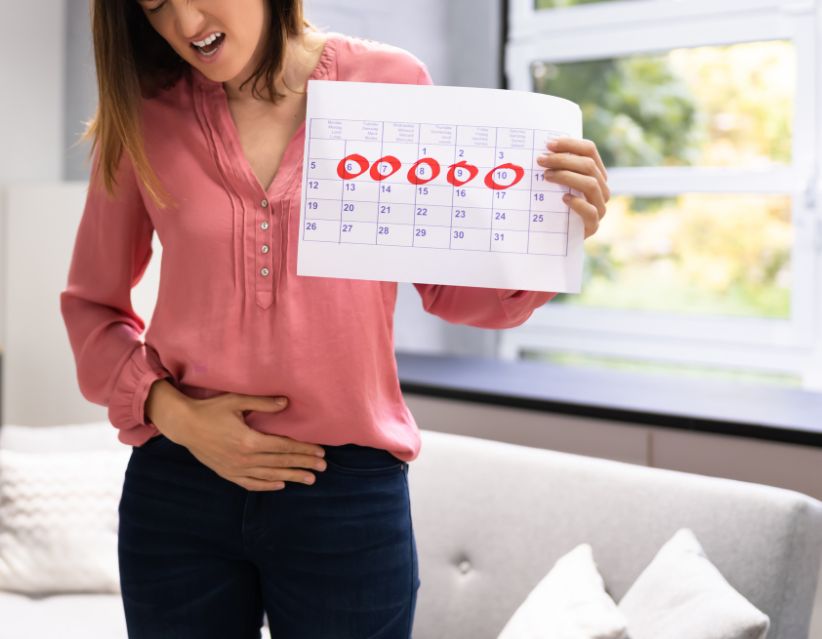
Before we jump into solutions, let's talk about why periods get delayed. Your menstrual cycle is sensitive to everything happening in your body. Stress from work, sudden weight changes, intense workout routines, or conditions like PCOS can throw your cycle off track. Sometimes it's just your body being unpredictable.
The tricky part is that while many home remedies exist to help start your period, none of them work like magic. The only clinically proven way to trigger bleeding involves hormonal methods like progesterone withdrawal or adjusting birth control pills, and those require a doctor's prescription.
Quick Safety Checklist Before Trying Any Remedy
Stop right here and do these three things first:
- Take a pregnancy test, even if you think there's no chance
- Think about any medications you're taking that might affect your cycle
- Consider whether you have any known hormonal conditions
If you're pregnant or suspect you might be, do not try any period-inducing methods. Many remedies that seem harmless can cause complications during pregnancy. I learned this the hard way when my friend tried parsley tea without knowing she was pregnant and ended up at the emergency room.
7 Safe Home Remedies That May Help Start Your Period
Let me walk you through the methods I've personally tried and what my grandmother's research taught me about each one.
1. Heat Therapy: The Gentle Approach
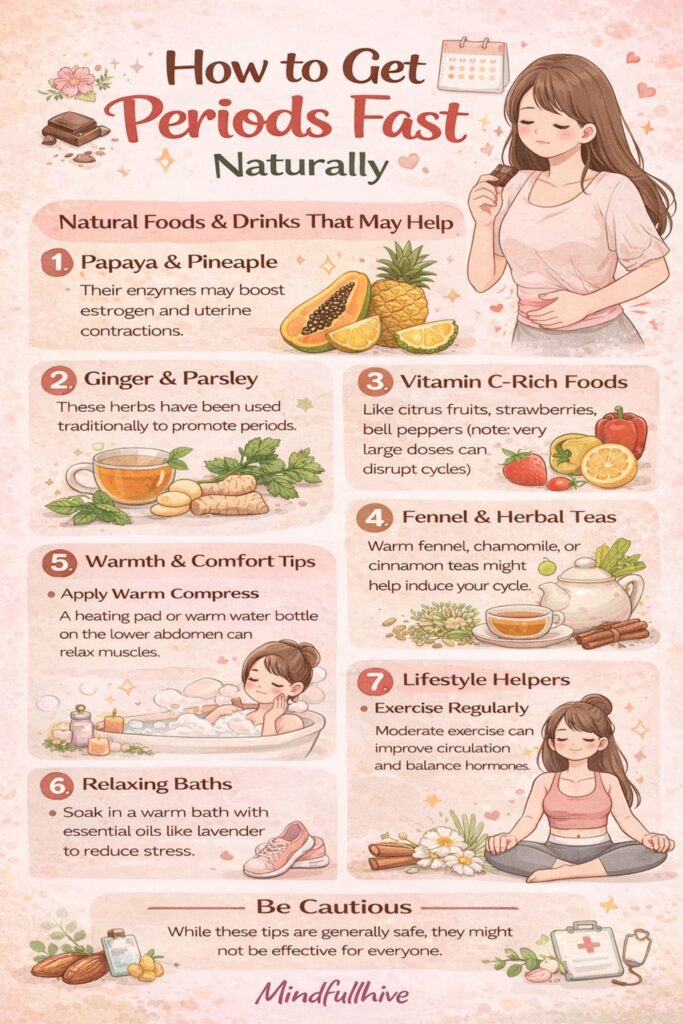
This was the first thing my grandmother suggested, and honestly, it felt the most soothing. A warm compress on your lower belly helps relax uterine muscles and can encourage uterine contractions.
What I did: I filled a hot water bottle (not boiling, just comfortably warm) and placed it on my lower abdomen for 15 minutes, twice a day. Sometimes I'd take a warm bath instead, adding Epsom salts for extra relaxation.
Why it might work: Heat increases blood flow to the pelvic area and helps reduce tension that might be delaying your period.
Evidence level: Anecdotal, but widely recommended by gynecologists for menstrual discomfort.
2. Vitamin C: The Natural Booster
My grandmother swore by this one. She believed vitamin C could help bring on periods by affecting hormone levels, though the science here is mixed.
What I tried: I ate two oranges daily, added lemon to my water, and snacked on guava. I avoided taking high-dose vitamin C supplements because those can upset your stomach.
The theory: Some people believe vitamin C increases estrogen and reduces progesterone, which might trigger the shedding of the uterine lining. However, there's limited clinical evidence to back this up.
Safety note: Stick to food sources. High doses from supplements (more than 3000 mg daily) can cause digestive issues and aren't proven to work.
3. Papaya: The Traditional Method
This is huge in Indian households. Papaya contains an enzyme called papain that supposedly helps contract the uterus. My grandmother had pages about this in her diary.
How I used it: I ate half a cup of ripe papaya chunks twice daily for three days. You can blend it into a smoothie or eat it fresh.
Important warning: If there's any chance you're pregnant, skip papaya completely. It's considered unsafe during pregnancy. Also, unripe papaya is more potent but harder on the stomach.
Evidence: Mostly traditional knowledge. Some small studies suggest papain affects uterine tissue, but large clinical trials don't exist.
4. Ginger Tea: The Comfort Drink
Ginger became my go-to because it helped with the bloating and cramps that came with my delayed period. It's believed to increase heat in the body and promote menstrual cycle regularity.
My recipe:
- Grate one inch of fresh ginger
- Boil it in two cups of water for 10 minutes
- Strain and add a teaspoon of honey
- Drink twice daily
What it does: Ginger has anti-inflammatory properties and might help induce mild contractions. Plus, it settles your stomach if you're feeling nauseous from anxiety.
Evidence level: Limited clinical evidence, but it's safe in normal food amounts and has been used for centuries.
5. Parsley Tea: The Controversial One
Parsley contains compounds called apiol and myristicin, which some believe can stimulate uterine contractions. I was skeptical but tried it anyway.
How I prepared it: I boiled a handful of fresh parsley leaves in water for five minutes, strained it, and drank it once daily. Not twice, not three times, just once because I didn't want to overdo it.
The catch: There's very little scientific backing for this. Most evidence is anecdotal. Also, parsley in large amounts can be dangerous if you're pregnant.
My take: If you try this, keep it to small amounts and only for a few days.
6. Exercise and Yoga: The Active Solution
This one actually has some scientific support. Light exercise improves blood circulation and can help regulate hormones that control your cycle.
What worked for me:
Butterfly Pose (Baddha Konasana): Sit with your feet together and knees out to the sides. This opens up the pelvic area and increases blood flow.
Child's Pose (Balasana): Kneel and stretch forward with your arms extended. This gently massages the reproductive organs.
Brisk Walking: I walked for 20 minutes every evening. Nothing intense, just enough to get my heart rate up a bit.
Why it helps: Physical activity reduces stress hormones and can normalize your cycle if stress is the culprit behind your delay.
Warning: Don't go overboard. Excessive or intense exercise can actually delay periods further.
7. Turmeric Milk: The Golden Remedy
My grandmother called this "period tea" in her diary. Turmeric is believed to have emmenagogue properties, meaning it might help stimulate menstrual flow.
My preparation:
- Heat one cup of milk
- Add half a teaspoon of turmeric powder
- Mix in a pinch of black pepper (helps absorption)
- Add honey for taste
- Drink before bed
Science says: Turmeric affects estrogen and progesterone levels, which could theoretically influence your cycle. However, studies on this are limited.
Evidence level: Traditional use with some preliminary research, but not clinically proven.
When Home Remedies Are Not the Answer
Here's something important I learned: sometimes your body needs medical help, not home remedies. You should see a doctor if:
- You've missed three or more consecutive periods
- Your pregnancy test is positive or uncertain
- You have severe pain, fever, or unusual discharge
- You have known conditions like PCOS, thyroid problems, or diabetes
- You're experiencing symptoms like excess hair growth, severe acne, or rapid weight gain
These could signal hormonal imbalances that require proper treatment, not just ginger tea and heat packs.
Medical Options: What Actually Works
When I finally went to a gynecologist about my irregular cycles, she explained the only guaranteed ways to induce period naturally through medical intervention.
Hormonal Birth Control
Your doctor can prescribe or adjust birth control pills to trigger withdrawal bleeding. This is the most reliable method.
Progesterone Therapy
A short course of progesterone followed by stopping it causes the uterine lining to shed, bringing on a period within days.
Important: These methods require medical supervision. Don't try to self-medicate with hormones you buy online or borrow from friends.
My 5-Day Plan: Combining Safe Methods
After researching and talking to my grandmother, I created this plan that combines low-risk approaches. I tried it myself, and while I can't promise it'll work for everyone, it felt supportive and safe.
Day 1-2: Preparation Phase
- Morning: Drink warm lemon water
- Breakfast: Include papaya (half cup) with your meal
- Midday: Apply warm compress to lower abdomen for 15 minutes
- Evening: 20-minute brisk walk
- Night: Turmeric milk before bed
Day 3-4: Active Phase
- Morning: Continue warm lemon water, add ginger tea
- Breakfast: Papaya smoothie or fresh fruit
- Midday: Practice butterfly pose and child's pose for 10 minutes
- Afternoon: Heating pad session while relaxing
- Evening: Another walk, slightly longer
- Night: Parsley tea (optional, just once)
Day 5: Assessment
- Continue the routine but add abdominal massage
- Check for any signs of your period starting
- If nothing happens, give your body a break and consult a doctor if needed
Throughout All Days:
- Drink at least 8 glasses of water
- Get 7-8 hours of sleep
- Manage stress through deep breathing or meditation
- Avoid processed foods and excess salt
Evidence Table: What Really Works?
Let me be honest about what science actually supports:
Strong Evidence:
- Progesterone therapy (medical)
- Birth control adjustment (medical)
Moderate Evidence:
- Stress reduction and sleep
- Regular moderate exercise
- Maintaining healthy body weight
Limited Evidence:
- Vitamin C from food sources
- Papaya in small amounts
- Ginger tea
Anecdotal Only:
- Parsley tea
- Specific yoga poses
- Turmeric milk
- Warm compresses (though safe and soothing)
Quick Tips for Success
Tip 1: Always rule out pregnancy first with a home test. If positive or uncertain, stop all herbal methods immediately and see a healthcare provider. Your safety matters more than anything else.
Tip 2: Combine multiple low-risk approaches for better results. Try a warm compress twice daily, drink ginger tea, and take a 20-minute brisk walk. This combination is frequently recommended by gynecologists and appears safe for most people.
Frequently Asked Questions
Can I get my period in 24 hours with home remedies?
No, and I wish someone had told me this when I was frantically searching online. Home remedies might help within 3-5 days in some people, but there's no guaranteed overnight method. The only way to get period immediately is through medical intervention with hormones, and even that takes a few days. Always rule out pregnancy first before trying anything.
Are papaya and parsley safe to use to induce periods?
In small food amounts, they're generally safe for non-pregnant people. I ate regular portions of papaya as part of my meals without issues. However, high doses or concentrated herbal extracts should be avoided without medical advice. If you're trying to conceive or might be pregnant, skip these completely.
When should I see a doctor about missed periods?
See a doctor if you suspect pregnancy, if periods are missing for several cycles (more than three), if you have severe pain or unusual symptoms, or if you have known conditions like PCOS or thyroid problems. I waited too long to see my doctor because I kept thinking "next month will be normal," but getting checked earlier would have saved me months of worry.
Do birth control pills help start a missed period?
Yes, adjusting hormonal contraception or taking a short course of progesterone can trigger withdrawal bleeding. This is actually the most reliable method to bring on a period. However, this must be done under medical supervision. Your doctor will first rule out pregnancy and other issues before prescribing anything.
Can stress or weight change delay my period?
Absolutely yes. When I was preparing for my exams, my cycle went haywire. Stress affects cortisol levels, which mess with the hormones controlling your menstrual cycle. Similarly, sudden weight loss or gain, or starting intense exercise routines can delay ovulation and push back your period. Managing stress through yoga, adequate sleep, and maintaining a consistent routine helps keep cycles regular.
What I Wish I'd Known Sooner
Looking back, I spent so much time worrying and trying random things from the internet. Here's what I learned that might save you some stress:
Your body isn't a machine with perfect timing. Occasional delays happen to most women and don't always mean something is wrong. But persistent irregularity deserves medical attention, not just more ginger tea.
The remedies I've shared are based on traditional wisdom and limited scientific evidence. They're safe to try for a few days if pregnancy is ruled out, but they're not magic solutions. What helped me most was the combination of heat, light movement, staying hydrated, and managing my stress levels.
Most importantly, listen to your body. If something feels wrong, trust that instinct and see a doctor. No amount of how to get periods fast searches should replace professional medical advice when you need it.
Final Thoughts
My grandmother's diary taught me that women have been dealing with irregular periods forever, and while our ancestors didn't have modern medicine, they observed what seemed to help. Some of those observations align with what we know about blood flow, hormone fluctuation, and stress management. Others remain in the realm of tradition without scientific backing.
The methods I've shared here represent the safest, most commonly recommended approaches to encourage your period naturally. They combine traditional knowledge with modern caution. But remember, everyone's body is different. What worked for me or my grandmother might not work exactly the same way for you.
If you're reading this at 2 AM, panicking about your late period, take a deep breath. Do a pregnancy test tomorrow morning. If it's negative, try some of these gentle methods while monitoring your body. And if nothing changes in a week or two, book that doctor's appointment. Your menstrual cycle is an important sign of your overall health, and taking care of it properly means knowing when home remedies are enough and when you need professional help.
Stay patient with your body. It's doing its best, even when the timing isn't convenient.