
Managing personal finances can often feel overwhelming, especially when unexpected expenses arise. Over the years, I've discovered that proactive financial planning is key to achieving peace of mind and financial stability. One strategy that has been particularly transformative for me is the sinking fund method. In this article, I'll share my personal experiences and insights on how to effectively implement this approach to meet future financial goals and manage irregular expenses.
What is the Sinking Fund Method?
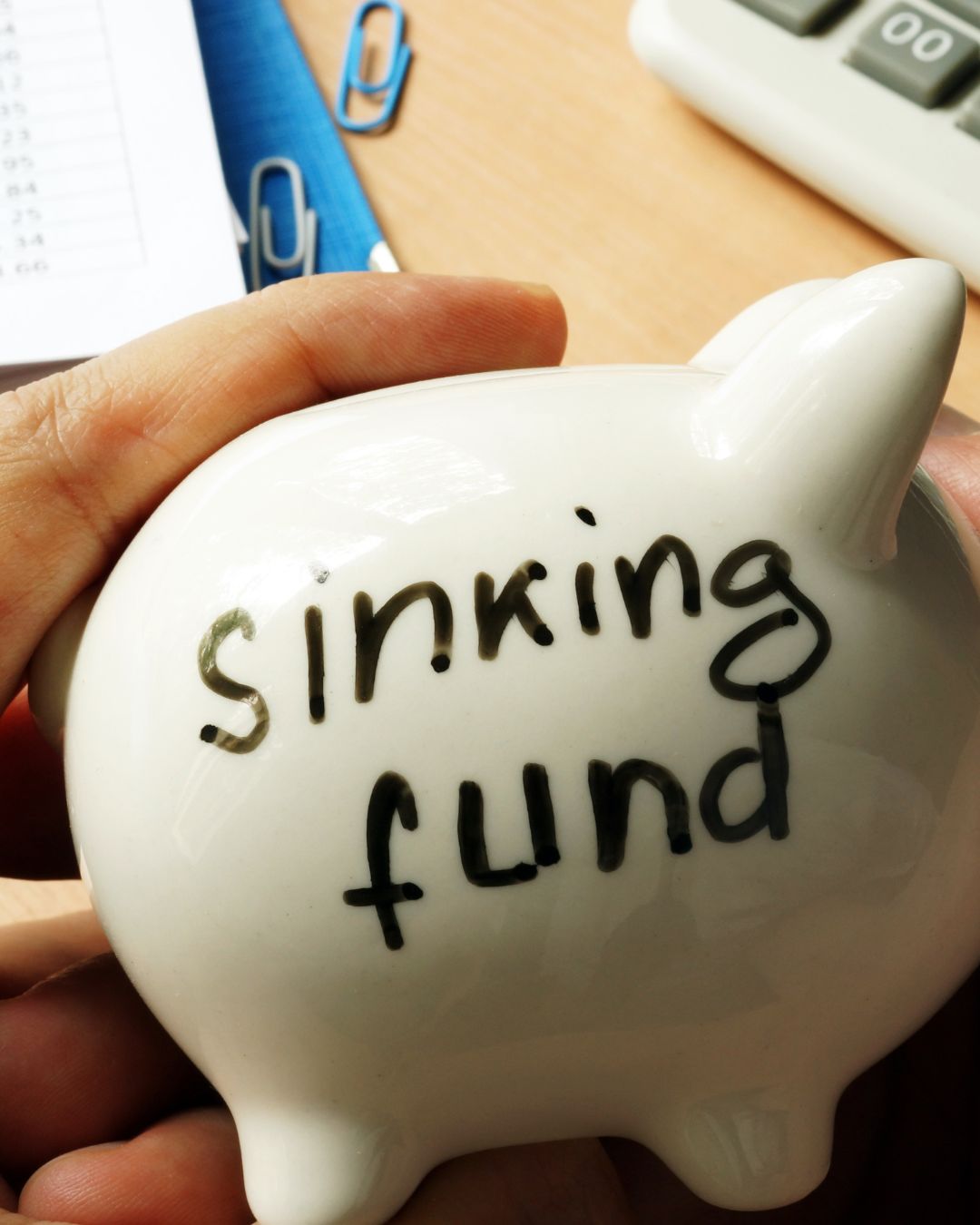
In simple terms, a sinking fund is a dedicated savings account where you regularly set aside money for anticipated future expenses. Unlike an emergency fund, which is reserved for unforeseen events, a sinking fund is earmarked for specific, planned expenditures. This method allows you to allocate funds systematically, ensuring you're prepared for both expected and irregular expenses without disrupting your monthly budgeting.
My Journey with Sinking Funds
A few years ago, I found myself constantly stressed about upcoming expenses—be it annual insurance premiums, holiday gifts, or car maintenance. These costs always seemed to catch me off guard, leading to financial strain. That's when I stumbled upon the concept of sinking funds.
I started by listing all foreseeable expenses for the year and divided each by the number of months until the payment was due. By setting aside a small amount each month into dedicated savings accounts for each expense, I was able to manage my cash flow management more effectively. This proactive financial planning not only alleviated my financial anxiety but also helped me stay on track with my future financial goals.

How to Create a Sinking Fund
Establishing a sinking fund is straightforward. Here's how I approached it:
1. Identify Future Expenses
Make a list of all upcoming expenses, both short-term and long-term. This could include vacations, home repairs, or even a new gadget you've been eyeing.
2. Determine the Total Amount Needed
Estimate the cost of each item on your list. For instance, if your annual car insurance is $1,200, that's the target amount for that specific sinking fund.
3. Set a Timeline
Decide when you'll need the funds for each expense. If your car insurance is due in six months, you'll need to divide $1,200 by six months to determine your monthly contribution.
4. Calculate Monthly Savings
Divide the total amount by the number of months until the expense is due. This will give you the amount to set aside each month.
5. Open Dedicated Savings Accounts
Having separate accounts for each sinking fund helps in tracking and ensures the money isn't used for other purposes.
6. Automate Your Savings
Set up automatic transfers to each sinking fund account to ensure consistency.
By following these steps, I was able to create a fixed savings plan that catered to my future financial goals.
Sinking Fund vs. Emergency Fund
It's essential to distinguish between a sinking fund and an emergency fund. While both are crucial components of sound financial planning, they serve different purposes:
- Sinking Fund: Allocated for planned, specific expenses (e.g., a new laptop, annual subscriptions).
- Emergency Fund: Reserved for unexpected events (e.g., medical emergencies, job loss).
Having both ensures you're prepared for life's uncertainties while also planning for anticipated costs.
Benefits of the Sinking Fund Method
Implementing the sinking fund method has brought several advantages to my financial life:
- Reduced Financial Stress: Knowing that I've allocated funds for upcoming expenses allows me to manage my cash flow effectively.
- Avoiding Debt: By saving in advance, I can pay for expenses outright without resorting to credit cards or loans.
- Improved Budgeting: Allocating funds for specific purposes helps in maintaining a balanced budget and prevents overspending.
- Better Money Management Techniques: Helps in maintaining a debt-free savings plan.
Common Sinking Fund Categories
Based on my experience, here are some categories you might consider for your sinking funds:
- Home Maintenance Sinking Fund: Regular upkeep, repairs, or renovations.
- Vehicle Expenses: Maintenance, repairs, registration, and insurance.
- Medical Expenses: Routine check-ups, dental work, or vision care.
- Gifts and Holidays: Birthdays, anniversaries, and festive seasons.
- Education: Courses, workshops, or school supplies.
- Travel: Vacations or weekend getaways.
- Technology Upgrades: Saving for a new phone, laptop, or other gadgets.
- Pet Care: Veterinary visits, grooming, and pet supplies.
By planning for these categories, I've been able to manage irregular expenses savings without disrupting my monthly budgeting.
Advanced Sinking Fund Strategies
1. Use High-Interest Savings Accounts
Maximize the growth of your sinking funds by placing them in high-yield savings accounts.
2. Combine Envelope Budgeting with Sinking Funds
Use the envelope budgeting method to physically separate cash for different sinking fund categories.
3. Leverage Digital Budgeting Tools
Apps like YNAB, Mint, or PocketGuard can help you allocate and track your sinking funds effortlessly.
Quick Tips for Managing Sinking Funds
1. Regularly Review and Adjust
Periodically assess your sinking funds to ensure they're aligned with your current goals and expenses.
2. Prioritize Your Funds
If you can't fund all categories at once, prioritize based on urgency and importance.
FAQs
1. How many sinking funds should I have?
There's no set number. It depends on your financial goals and upcoming expenses. Start with the most pressing categories and expand as needed.
2. Can I combine multiple expenses into one sinking fund?
Yes, if the expenses are similar. For instance, you might have a single fund for all holiday-related costs.
3. What if an emergency arises, and I need to use my sinking fund?
Ideally, use your emergency fund for unexpected events. However, if it's depleted, you can tap into your sinking fund but make a plan to replenish it.
4. How do I track multiple sinking funds?
Use budgeting apps, spreadsheets, or separate bank accounts to monitor each fund's progress.
5. Is it ever too late to start a sinking fund?
It's never too late. Starting now, even with small amounts, can help you prepare for future expenses.
Final Thoughts
Incorporating the sinking fund method into my financial planning has been a game-changer. It has provided me with a structured way to save for future expenses, manage my cash flow management, and achieve my financial goals without unnecessary stress. By adopting this approach, you too can take control of your finances and pave the way for a more secure financial future.