

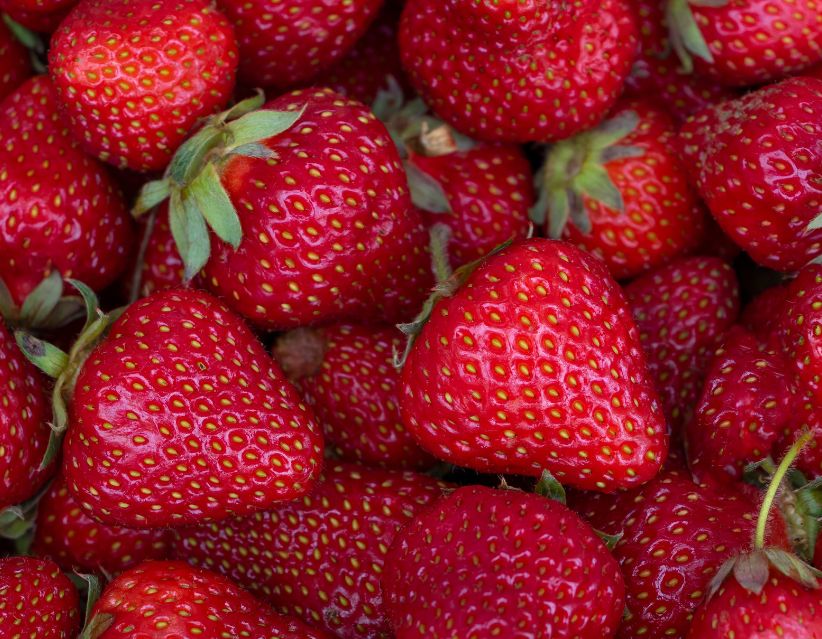
Every summer when the strawberry season hits, my family goes a little crazy at the sabzi mandi. My grandmother started it years ago. She kept a little worn notebook where she scribbled home remedies, seasonal fruits, and what to give my grandfather when his blood sugar started playing up. Strawberries had their own page in that notebook.
I used to think it was just because they taste good. But the more I read into it, the more I realized she was onto something real. So today I want to share everything I have learned about strawberry benefits, backed by proper nutrition science and some very real, very relatable experiences from our kitchen.
If you are trying to eat healthier, manage weight, or just want to know what is actually in that little red fruit, this is the guide for you.
What Are Strawberries and Why Should You Care?
Strawberries are small, red, seed-covered fruits from the genus Fragaria. They are grown in hilly regions of India like Mahabaleshwar, Himachal Pradesh, and Uttarakhand, and they are now available in most Indian cities from November to March.
Beyond the taste, what makes strawberries stand out is their nutritional profile. They are low in calories, high in water content, and loaded with vitamin C, antioxidants, dietary fiber, folate, and potassium. According to USDA SNAP-Ed data, one cup (about 152 grams) of sliced strawberries gives you approximately 53 calories, 3 grams of fiber, and 108 mg of vitamin C, which is more than your entire daily requirement.
For a fruit that tastes like a treat, that is a seriously impressive resume.
Strawberry Nutrition Facts: What Is Actually Inside?
Before we jump into the health benefits of strawberries, let us understand what you are actually eating.
Key Nutrients Per 1 Cup (Sliced, ~152g)
Calories: Around 53 kcal Carbohydrates: About 13g Dietary fiber: 3g Natural sugars: Around 8g Vitamin C: 108 mg (over 100% of daily value) Folate: 40 mcg Potassium: 254 mg Water content: Over 90%
Strawberries are also a good source of manganese, magnesium, and small amounts of B vitamins. They contain almost no fat and very little sodium.
This is why they sit comfortably in the category of low glycemic fruit, making them a smart choice even for people watching their blood sugar.
10 Impressive Strawberry Benefits You Should Know
1. Heart Health Support
One of the most talked-about strawberry benefits for heart health is their ability to support cardiovascular function. The antioxidants in strawberries, particularly anthocyanins (the compounds that give them their red color), have been studied for their role in reducing LDL cholesterol oxidation and improving blood vessel function.
The potassium in strawberries also helps regulate blood pressure. For a vegetarian Indian diet that often leans heavily on carbs and dairy, adding strawberries is a practical, tasty way to give your heart a little extra care.
My grandfather's doctor actually encouraged adding fresh fruits like strawberries to his routine, and my grandmother quietly added them to his morning bowl of oats long before anyone called it a superfood.
2. Strong Immunity from Vitamin C
If there is one thing my family swore by during flu season, it was vitamin C. And strawberries are one of the richest plant-based sources of vitamin C you can find.
Just one cup covers your entire daily vitamin C requirement. This vitamin C is directly linked to immune system function. It stimulates the production of white blood cells, acts as a powerful antioxidant to neutralize free radicals, and reduces the duration of common colds.
For Indians who want to reduce dependence on supplements, a bowl of fresh strawberries in season is a far more enjoyable way to keep your immunity strong.
3. Glowing Skin and Collagen Production
Here is the strawberry benefit for skin that gets the most attention, and honestly, it is well-deserved.
Vitamin C is a direct precursor to collagen production. Collagen keeps your skin firm, elastic, and youthful-looking. Without enough vitamin C, collagen production slows, leading to dull, sagging skin and slower wound healing.
Antioxidants in strawberries also fight oxidative stress, which is one of the main causes of premature skin aging, dark spots, and uneven tone. Some people even use mashed strawberries as a face mask, though eating them daily is probably the more sustainable approach.
If you are looking for a natural way to support your skin from the inside, the combo of vitamin C, antioxidants, and hydration in strawberries is hard to beat.
4. Better Digestion and Gut Health
The dietary fiber in strawberries (3g per cup) plays a quiet but important role in digestion. Fiber adds bulk to stool, promotes regular bowel movement, and feeds the beneficial bacteria in your gut.
Gut health has become a major topic in nutrition research, and a fiber-rich diet is consistently linked to better gut microbiome diversity, which in turn affects everything from mood to immunity to metabolism.
In our home, we pair strawberries with curd, which doubles the gut-friendly benefit. The probiotics in curd plus the fiber in strawberries is a genuinely good combination for digestion. If you are working toward a 7-day healthy eating plan, adding a small strawberry-curd bowl is a simple upgrade.
5. Blood Sugar Control and Diabetes Management
This was the entry my grandmother wrote most carefully in her notebook, and for good reason. My grandfather was diabetic, so every food choice mattered.
Strawberries have a low glycemic index (around 40), meaning they release sugar slowly into the bloodstream and do not cause sudden spikes. The dietary fiber slows glucose absorption even further.
Research also suggests that certain compounds in strawberries may improve insulin sensitivity. This makes them one of the safer fruit choices for people managing blood sugar or Type 2 diabetes. That said, portion control still matters. Stick to about half a cup to one cup at a time, and avoid adding sugar or syrup on top.
Can diabetics eat strawberries? Yes, generally in moderation, because they are relatively low in sugar compared to many other fruits. But always check with your doctor based on your individual health profile.
6. Weight Loss Friendly Snack
If you are trying to manage your weight, strawberries for weight loss make a lot of sense. Here is why.
They are low in calories (about 53 per cup), high in water content (over 90%), and filling because of their fiber. This means they take up space in your stomach, help you feel full, and do not add much to your calorie count.
Replacing a 200-calorie biscuit-and-chai snack with a bowl of strawberries cuts significant calories over weeks without making you feel deprived. And since they are naturally sweet, they also curb sugar cravings.
If you are curious about other healthy snacking options, our guide on whether peanut butter is good for weight loss is worth reading alongside this.
7. Anti-Inflammatory Properties
Chronic inflammation is at the root of a long list of modern health problems, from joint pain to diabetes to heart disease. Strawberries contain several anti-inflammatory compounds, including quercetin, kaempferol, and anthocyanins.
These compounds work by inhibiting certain inflammatory enzymes and reducing markers of systemic inflammation in the body. For people who eat a typical Indian diet heavy on refined carbs and oils, adding anti-inflammatory foods like strawberries is a meaningful shift.
8. Brain Health and Mood
Less talked about but equally important: the antioxidants in strawberries, particularly flavonoids, have been studied for their role in protecting brain cells from oxidative damage.
Some research suggests that regular consumption of flavonoid-rich berries may slow age-related cognitive decline and support memory function. The folate in strawberries is also linked to mood regulation, as it plays a role in the production of serotonin and dopamine.
This does not mean strawberries will cure anxiety. But as part of a healthy diet, they are one of many foods that quietly support mental wellness. If sleep and recovery are on your mind too, check out how to sleep 8 hours in 4 hours for complementary tips.
9. Eye Health Support
Vitamin C and antioxidants like lutein and zeaxanthin found in strawberries may support eye health by protecting against UV-related oxidative damage and reducing the risk of cataracts and macular degeneration over time. This benefit is less about immediate results and more about long-term protection, especially for older adults.
10. Bone Health via Folate, Potassium, and Manganese
Folate supports cell regeneration, potassium maintains electrolyte balance, and manganese plays a role in bone formation and connective tissue health. Together, these micronutrients in strawberries contribute to maintaining healthy bones, which is especially relevant for women after 30.
How to Eat Strawberries in India
Here are some simple, vegetarian-friendly ways to include strawberries in your daily diet.
Breakfast: Mix sliced strawberries into your morning oats or poha. The natural sweetness reduces your need for added sugar.
Snack: Eat a small bowl of fresh strawberries with a handful of nuts for better satiety. This is Tip 1 from our kitchen: pair strawberries with curd, oats, or nuts for a more filling snack.
Smoothie: Blend strawberries with banana, curd, and a pinch of cardamom for a classic Indian-style smoothie.
Chaat-style salad: Toss strawberries with cucumber, a squeeze of lemon, black salt, and cumin powder. It sounds unusual but tastes incredible.
Dessert: Serve fresh strawberries with a small drizzle of honey and crushed pistachios instead of ice cream.
Tip 2 from experience: Always wash strawberries thoroughly under running water before eating. Avoid store-bought strawberry products with added sugar syrups, jams, or flavored milk, because those add calories and sugar without the fiber benefit.
On the fresh vs frozen debate: frozen strawberries retain most of their nutrients and are available year-round. If fresh are not in season, frozen is a perfectly fine option for smoothies and cooking.
Side Effects, Precautions, and Who Should Limit Strawberries
Strawberries are safe for most people, but a few groups should be careful.
Allergy: Some people have an allergy to strawberries, particularly those with birch pollen allergy (oral allergy syndrome). Symptoms include tingling lips, itching, or swelling. If you notice these, stop eating and consult a doctor.
Kidney concerns: Strawberries are fairly high in oxalates, which can contribute to kidney stones in people prone to them. If you have a history of oxalate kidney stones, speak to your doctor before eating strawberries regularly.
Blood thinners: Strawberries have vitamin K and can mildly affect blood clotting. If you are on blood-thinning medication, maintain consistent intake and check with your doctor.
Pregnancy: Strawberries are generally safe during pregnancy and a good source of folate, which supports fetal neural development. However, wash them very well to avoid contamination.
Digestive sensitivity: Eating too many strawberries at once can cause loose stools in some people due to their fiber and fructose content. Start with a small serving if your gut is sensitive.
5 Frequently Asked Questions About Strawberries
FAQ 1: Are strawberries good for daily eating?
Yes, a small serving (half to one cup) fits well into a balanced daily diet. They are low in calories and high in nutrients, making them one of the easiest fruits to eat regularly.
FAQ 2: Do strawberries help with weight loss?
They are very low in calories and can replace heavier, sugary snacks without leaving you hungry. The fiber content supports satiety. They work best as part of a calorie-conscious overall diet.
FAQ 3: Are strawberries good for skin?
Yes. The vitamin C in strawberries directly supports collagen production, while antioxidants fight oxidative stress that causes premature aging and dullness.
FAQ 4: Can diabetics eat strawberries?
Generally yes, in moderation. Strawberries have a low glycemic index and relatively low sugar content. Stick to around half a cup at a time and avoid adding sugar. Always check with your doctor.
FAQ 5: Are frozen strawberries okay?
Absolutely. Frozen strawberries retain most of their nutritional value and are a practical option when fresh ones are out of season. Use them in smoothies, oats, or cooked dishes.
Conclusion
There is a reason my grandmother kept strawberries in that little notebook alongside serious home remedies. They genuinely earn their place in a healthy diet.
From supporting heart health and immunity to helping with blood sugar control, weight management, skin, and digestion, strawberry benefits cover almost every area of wellness in one small, affordable, delicious fruit.
The best part? They are easy to find in season, simple to prepare, and versatile enough to fit into Indian meals and snacks without feeling like a health compromise.
Start small, maybe a bowl with curd in the morning, and see how you feel. Your body will likely thank you.
For more practical health and wellness content, visit Mindfull Hive. You might also enjoy our guides on boiled peanuts benefits and the 7 habits of highly effective people.