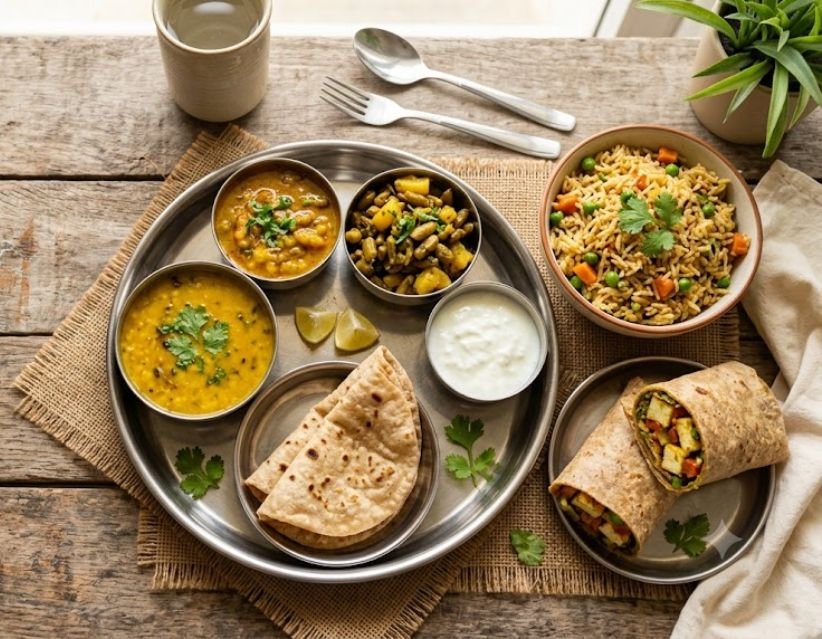

I still remember the first time I understood that food is not just fuel. It was a lazy Sunday afternoon, and my grandmother was sitting cross-legged on the kitchen floor, boiling a big pot of groundnuts with salt and a fistful of spices. The whole house smelled earthy and warm. She had this old notebook beside her, where she wrote down every home remedy, every food tip, every little piece of wisdom she collected over the years for managing my grandfather's diabetes. That notebook is the reason I started reading about boiled peanuts benefits seriously.
I used to snack on chips, biscuits, and namkeen without thinking twice. Then one afternoon, she slid a bowl of soft, salted boiled groundnuts toward me and said, "Yeh khao, asli snack hai." And she was right. Today, if you are looking for a high protein snack that is budget-friendly, filling, and actually good for your body, this article is going to give you everything you need to know.
Visit Mindfullhive for more research-backed health and wellness content.
What Are Boiled Peanuts, and Why Do People Eat Them?
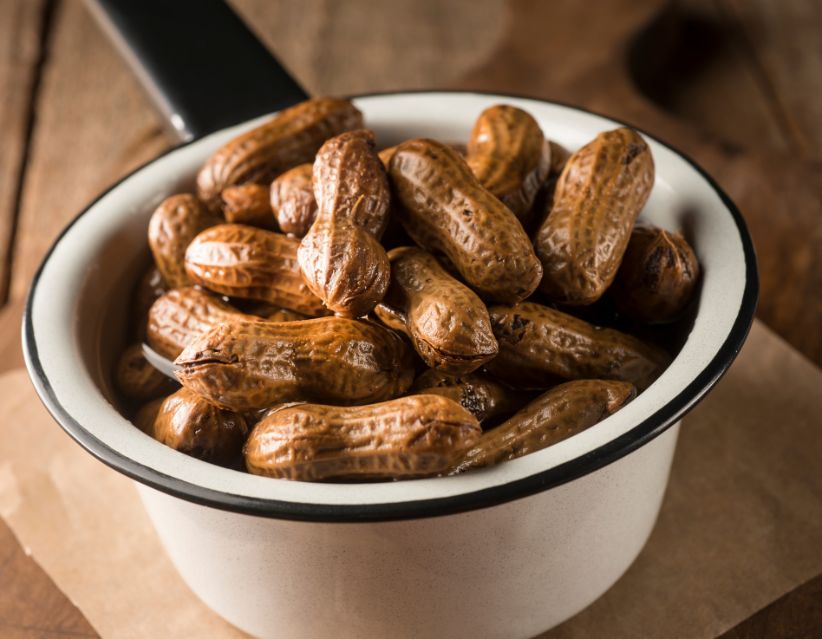
Boiled peanuts, or boiled groundnuts as most of us call them in India, are raw peanuts simmered in salted water until they turn soft and tender. Unlike roasted peanuts, which are dry and crunchy, boiled peanuts have a moist, almost bean-like texture. That makes sense because groundnuts are technically legumes, not nuts.
The process of boiling changes the peanut in interesting ways. Some fats leach out into the water, which actually lowers the overall fat density of the final snack. The texture becomes easier to chew and gentler on digestion. Certain antioxidants, especially resveratrol, become more bioavailable after boiling. So something as simple as dropping peanuts in a pot of salted water actually upgrades the snack from a nutritional standpoint.
In India, boiled groundnuts are a street-food classic. Sold in newspaper cones outside railway stations, temple lanes, and evening markets, they cost almost nothing and fill you up completely. What the streets figured out decades ago, nutrition science is now confirming.
Boiled Peanuts Nutrition: What Is Actually Inside?
Before we talk about benefits, let us look at what you are actually eating. Understanding boiled peanuts nutrition helps you make smarter choices rather than just following generic health advice.
Boiled Peanuts Nutrition Per 100g (Approximate Values)
Per 100g of plain boiled peanuts, you get roughly:
- Calories: Around 318 kcal (boiled peanuts calories are lower than roasted due to fat loss during cooking)
- Protein: Approximately 13.5g of plant-based protein
- Total Fat: Around 22g, primarily healthy unsaturated fats
- Carbohydrates: Approximately 16g
- Fiber: Close to 4g, including both soluble and insoluble types
- Sodium: Depends on how much salt is added during cooking
These boiled peanuts calories numbers tell an important story. For the calorie count, you get a very strong payload of protein and fiber, which means this is a genuinely filling, nutrient-dense food, not just empty calories.
Important minerals like magnesium, phosphorus, potassium, and folate are also present in meaningful amounts. Boiled peanuts are one of the few Indian snack options that can check so many nutritional boxes at once.
9 Boiled Peanuts Benefits You Should Know About
1. A Serious Source of Plant-Based Protein
If you are vegetarian like my family, finding complete and accessible protein sources is always on the mind. Boiled peanuts protein content of roughly 13.5g per 100g makes them one of the best plant-based protein options in your kitchen.
Protein supports muscle repair, keeps you satiated, and helps stabilize blood sugar. For people who do not eat meat or eggs, adding a bowl of boiled groundnuts to a meal or as an evening snack is a smart and affordable choice. This is the kind of plant-based protein that does not require a subscription to an expensive supplement.
2. Boiled Peanuts for Weight Loss and Satiety
Here is something that surprised me when I first read it. A low calorie snack does not have to mean a tasteless or unsatisfying one. Boiled peanuts for weight loss work because of two mechanisms working together.
First, the protein in boiled peanuts takes longer to digest, which keeps hunger at bay for hours. Second, the soluble fiber forms a gel-like substance in your digestive tract, slowing down stomach emptying and extending the feeling of fullness or satiety. Studies on legumes consistently show that people who eat them regularly tend to consume fewer total calories through the day.
If you are trying to manage weight, replacing an evening packet of chips with a small bowl of boiled groundnuts is one of the simplest and most sustainable switches you can make. Check out this deeper dive into is peanut butter good for weight loss for more context on how peanuts fit into a weight-conscious diet.
3. Boiled Peanuts for Heart Health
Boiled peanuts for heart health is one of the most well-researched benefits in this list. Peanuts contain healthy fats, specifically monounsaturated and polyunsaturated fats, which help maintain a healthy balance of LDL (bad) and HDL (good) cholesterol levels.
Regular consumption of legumes has been linked to lower levels of bad cholesterol and reduced risk of cardiovascular events. Boiled peanuts also contain resveratrol, a powerful antioxidant that has been studied for its role in heart protection. When you boil peanuts instead of roasting them, resveratrol bioavailability actually increases, meaning your body absorbs more of it.
Magnesium in boiled peanuts also supports healthy blood pressure levels. For a vegetarian family managing long-term health, having a handful of boiled groundnuts a few times a week is genuinely meaningful for the heart.
4. Boiled Peanuts for Digestion
My grandfather used to say his stomach always felt settled after eating boiled groundnuts. That is because boiled peanuts for digestion is not just folk wisdom. The softened texture means the body does not have to work as hard to break them down. The fiber content, particularly soluble fiber, feeds the good bacteria in your gut and supports regular bowel movements.
Compared to dry-roasted peanuts, boiled peanuts are far gentler on the stomach. For people who experience bloating or discomfort after eating roasted nuts, switching to the boiled version is often an easy fix.
5. Rich in Antioxidants
Antioxidants protect your cells from oxidative stress, which is linked to aging, inflammation, and chronic diseases. Boiled peanuts are notably high in antioxidants including resveratrol, p-coumaric acid, and isoflavones.
What is fascinating is that boiling peanuts actually increases certain antioxidant concentrations compared to raw or roasted peanuts. Research has suggested boiled peanuts can have up to four times the antioxidant content of roasted peanuts in some studies. This makes them a legitimately powerful fiber-rich snack with real protective properties.
For more on antioxidant-rich plant foods, read about benefits of eating black grapes and green grapes benefits on Mindfullhive.
6. Supports Blood Sugar Management
This was the biggest reason the boiled peanuts bowl appeared in my grandmother's home remedy notebook. For people managing diabetes or blood sugar fluctuations, boiled groundnuts benefits include a low glycemic index (GI), meaning they do not cause rapid blood sugar spikes.
The combination of protein, healthy fats, and fiber slows glucose absorption significantly. Having a small portion of boiled peanuts as a mid-morning or evening snack can help prevent the blood sugar crashes that lead to overeating. This is not a replacement for medical treatment, but as a dietary support, the evidence is genuinely encouraging.
7. Good Source of B Vitamins and Minerals
Boiled peanuts nutrition extends beyond the macronutrients. They are a solid source of folate, niacin (Vitamin B3), and Vitamin B6. Folate is especially important for cell repair and is crucial for women who are pregnant or planning a pregnancy.
On the mineral side, magnesium, phosphorus, potassium, and zinc are all present. These support bone health, nerve function, and immune response. For a vegetarian diet, getting these minerals from whole food sources like boiled groundnuts is both practical and affordable.
8. Budget-Friendly and Accessible Indian Snack
Let us be real. Most superfoods are expensive and hard to find in your local kirana store. Boiled groundnuts are not that. They are available everywhere across India, cost very little, and require nothing more than water, salt, and a pot to prepare.
As a high protein snack that fits every budget, boiled peanuts deserve far more respect than they typically get. They belong in the same conversation as quinoa and chia seeds from a nutrition standpoint, but at a fraction of the cost.
9. Naturally Hydrating and Easy to Eat
This is a smaller but real benefit. The water absorbed during the boiling process means boiled peanuts have higher moisture content than dry snacks. This contributes slightly to hydration, especially useful on hot Indian afternoons.
The soft texture also makes them easier to eat for older family members or children. No jaw fatigue, no hard shells to worry about in the same way.
Boiled Peanuts vs Roasted Peanuts: Which Is Actually Better?
This is the comparison most people want. Here is an honest breakdown of boiled peanuts vs roasted peanuts.
Fat and Calorie Content
Boiling draws out some fat into the cooking water, which means boiled peanuts generally have lower fat density than roasted peanuts. Roasted peanuts, especially oil-roasted ones, tend to be higher in calories per gram. For weight-conscious snacking, boiled is the better choice.
Antioxidant Levels
This is where boiled peanuts genuinely win. Boiling increases the bioavailability of antioxidants like resveratrol and isoflavones compared to dry or oil roasting. If antioxidant intake matters to you, boiled is the superior option here.
Texture and Digestion
Boiled peanuts are softer and much easier on the digestive system. Roasted peanuts are harder and can sometimes cause bloating in sensitive stomachs. The soluble fiber in boiled peanuts is also more accessible because the cell walls have softened.
Flavor and Versatility
Roasted peanuts have a more intense, concentrated flavor and longer shelf life. They are easier to store and carry. Boiled peanuts are best consumed fresh and need refrigeration after cooking. Both have their place, but for daily snacking with health goals in mind, boiled peanuts hold a clear edge.
How to Eat Boiled Peanuts the Indian Way
The simplest preparation is boiling raw groundnuts in well-salted water for 45 to 60 minutes until they are soft. But here are a few ways to make them even more enjoyable as an Indian snack:
Classic street style: Drain and toss with chaat masala, lemon juice, finely chopped green chilli, and red onion. This is the roadside cone version and it tastes exactly like it smells.
Simple salt and lemon: Drain, squeeze half a lemon over them, and sprinkle a pinch of chaat masala. Nothing more needed.
Mixed with vegetables: Add boiled peanuts to a quick kachumber (cucumber, tomato, onion salad) for a protein boost that turns a side dish into a proper snack.
Evening chai pairing: A small bowl of plain salted boiled groundnuts alongside a cup of ginger chai is one of the most satisfying combinations you can have at 5 PM. It is filling enough to bridge the gap until dinner without spoiling your appetite.
Pairing boiled groundnuts with other antioxidant-rich foods amplifies the benefits. You might also enjoy reading about which chocolate is good for health if you are thinking about healthy snacking combinations.
For more wellness ideas, explore how to make alkaline water on Mindfullhive.
Side Effects of Boiled Peanuts: Who Should Be Careful?
Boiled peanuts side effects are worth knowing before you start eating them daily. Most healthy people tolerate them well in moderate portions, but there are real considerations.
Peanut Allergy
Peanut allergy is one of the most serious food allergies and can cause reactions ranging from mild hives to severe anaphylaxis. If you or anyone in your family has a known peanut sensitivity, avoid them entirely. This applies whether the peanuts are boiled, roasted, or raw.
Aflatoxin Risk
Aflatoxin is a naturally occurring mold toxin that can develop on peanuts, especially in warm, humid storage conditions. To minimize this risk, always buy fresh peanuts from reliable sources, store raw peanuts in a cool, dry place, and do not eat peanuts that smell musty or look discolored. Boiling itself does not eliminate aflatoxin, so proper storage before cooking matters.
Sodium and Portion Control
Most boiled peanuts are prepared with salt. For people managing hypertension or kidney conditions, the sodium content needs to be watched. You can boil peanuts with very little or no salt and add flavor through spices like cumin or black pepper instead.
A sensible daily portion is around one small handful (roughly 30 to 40 grams). More than that, especially daily, could add up in calories and sodium faster than you expect.
5 FAQs About Boiled Peanuts Benefits
Q1. Are boiled peanuts good for weight loss?
Yes, in moderation. Their protein and fiber combination promotes satiety, helping you eat less through the day. They make a smart swap for processed snacks when portion size is kept in check.
Q2. Are boiled peanuts healthier than roasted peanuts?
In several ways, yes. They tend to be lower in fat density, have higher antioxidant bioavailability, and are gentler on digestion. However, both can fit a healthy diet depending on how they are prepared and portioned.
Q3. How many boiled peanuts should I eat per day?
A small handful (around 30 to 40g) is a sensible starting point. That gives you a good dose of plant-based protein and fiber without excess calories or sodium.
Q4. Can boiled peanuts improve digestion?
Yes. The soluble fiber in boiled peanuts supports healthy gut bacteria and regular bowel movements. Their soft texture also reduces the digestive work compared to raw or roasted forms.
Q5. Are boiled peanuts safe for diabetics?
Boiled groundnuts have a low glycemic index and the combination of protein, fiber, and healthy fats slows glucose absorption. They can be a supportive snack for blood sugar management, but anyone with diabetes should consult their doctor for personalized dietary advice.
2 Quick Tips for Getting the Most Out of Boiled Peanuts
Quick Tip 1: Keep the first meal of boiled peanuts simple. Plain salt and lemon lets you taste the natural earthiness and helps you figure out the portion size that works for your appetite before adding richer seasonings.
Quick Tip 2: Buy raw peanuts with the shell on for boiling. Shell-on peanuts absorb flavors better during cooking, and the shell acts as a natural protector against any surface contamination. Boil for 45 to 60 minutes, then taste for doneness. They should be soft all the way through, not chalky or hard in the center.
Wrapping Up
Boiled peanuts started as a bowl my grandmother set in front of me during a quiet Sunday afternoon. They have stayed because the science backs them up and because no other snack in that price range comes close to what they offer: plant-based protein, soluble fiber, antioxidants, heart support, digestive comfort, and blood sugar stability in a single serving.
The next time you are in the mood to snack and looking for something that actually does your body a favor, skip the chips and boil a pot of groundnuts. Add some chaat masala, a squeeze of lemon, a sliced green chilli, and you have one of the best Indian snack options money can buy.
For more content on food, wellness, and healthy living explored through real everyday experiences, visit Mindfullhive.